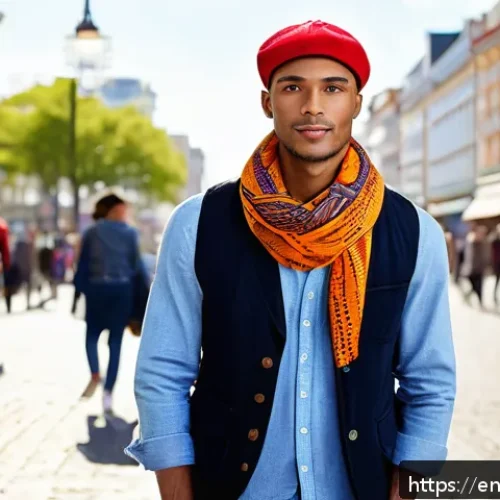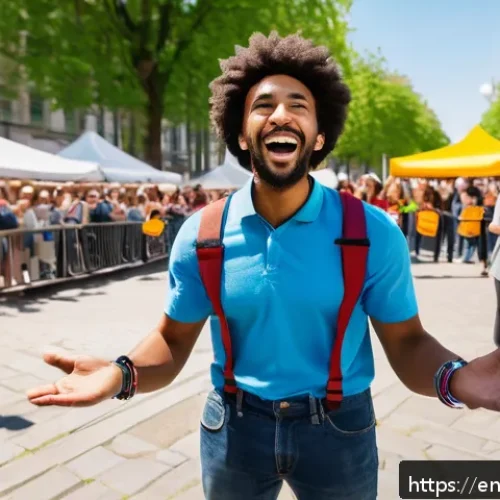
Street performances are all about capturing attention and creating a memorable experience for the audience. One of the most powerful ways to do this is through eye-catching costume designs that reflect the performer’s style and the vibe of their act.
Whether it’s bold colors, unique textures, or clever accessories, the right outfit can turn heads and set the tone before a single note is played or move is made.
I’ve noticed that performers who put thought into their wardrobe often draw bigger crowds and get more engagement. If you’re curious about how to design costumes that truly stand out on the street, let’s dive deeper and explore some inspiring ideas together!
Maximizing Impact with Color and Contrast
Choosing Colors That Pop in Outdoor Settings
When you’re performing on the street, your costume needs to grab attention from a distance. Bright, saturated colors like reds, yellows, and electric blues are proven crowd-pullers because they stand out against urban backdrops like concrete, brick, and steel.
I’ve personally noticed that performers wearing neon or jewel tones tend to attract more curious onlookers, especially in busy city centers. The trick is to balance vibrancy without overwhelming the eye—too many clashing colors can feel chaotic and distract from the performance itself.
Using Contrast to Define Your Silhouette
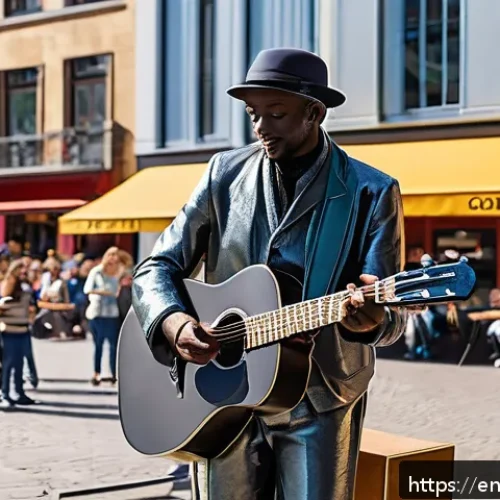
Contrast isn’t just about color; it’s about creating a clear shape that’s easy to recognize. For example, pairing a dark base outfit with light or reflective accessories can create a striking outline that catches the eye even in low light or shadowy corners.
When I experimented with reflective strips on my jacket, I saw how people’s eyes naturally followed the sharp contrasts as I moved, which made my street act feel more dynamic.
Contrast also helps photographers and videographers capture you better, which can be a bonus for post-performance promotion.
Color Psychology and Audience Emotion
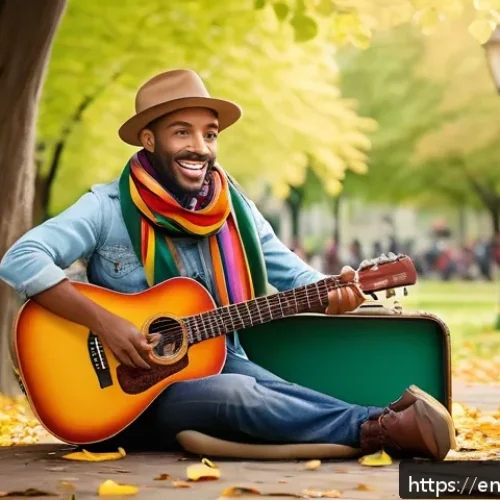
Colors evoke emotions, and understanding this can help you subtly influence your audience before you even start performing. Warm colors like orange and red convey energy and excitement, great for upbeat acts, while blues and greens can calm and mesmerize, ideal for more contemplative performances.
I’ve seen performers use this to great effect—like a mime wearing soft pastels to invite curiosity and calm, versus a fire juggler rocking fiery reds and blacks to amp up adrenaline.
Think about your act’s mood and let your costume’s colors reinforce that vibe.
Incorporating Texture and Layers for Visual Depth
Mixing Fabrics to Add Dimension
Texture can make a costume feel alive and tactile, which is especially important when you’re competing for attention outdoors. Combining smooth materials like satin with rougher ones like burlap or denim creates visual interest that invites people to look closer.
From my own experience, layering different textures gives your outfit a 3D quality that stands out in photos and videos, making your act memorable beyond the live moment.
It also adds richness that plain fabrics simply can’t match.
Layering for Practicality and Style
Layering isn’t just a style choice—it’s a street-smart strategy. Depending on the weather, layers let you adapt without losing your look. For example, a lightweight mesh shirt under a bold vest can add dimension, while letting you peel off layers as it gets warmer.
I recall performing in early spring when temperatures fluctuated wildly; having detachable layers saved me from freezing or overheating and kept my costume fresh throughout the day.
Plus, layers can create movement, adding an extra visual rhythm to your performance.
Using Accessories to Enhance Texture
Small details like scarves, belts, or hats can add surprising texture contrasts and make your outfit pop. When I started incorporating leather wristbands and feathered hats, I noticed people were drawn to these tactile elements—they’d often reach out to touch or comment, which is perfect for engagement.
Accessories can also serve practical purposes, such as pockets for props or hidden compartments, blending function with flair.
Designing for Movement and Comfort
Choosing Fabrics That Move with You
One lesson I learned quickly is that stiff or heavy fabrics kill energy and make performing uncomfortable. Lightweight, stretchy materials like spandex blends or breathable cottons allow for fluid movement and prevent overheating.
For instance, a street dancer friend of mine swears by moisture-wicking leggings paired with loose tops to keep cool and agile during long sets. When your costume moves naturally with your body, it looks effortless and professional, which helps hold the audience’s gaze longer.
Tailoring for Freedom of Movement
Fit matters as much as fabric. Baggy clothes can get caught or tangled, while overly tight outfits restrict expression. The sweet spot is a tailored fit that respects your range of motion.
I had a custom jacket made with gussets under the arms, which let me jump and spin freely without feeling constricted. This kind of thoughtful tailoring makes a huge difference in how confident and comfortable you feel, which the crowd picks up on instantly.
Balancing Style with Practicality
Street performances often last hours, so comfort can’t be sacrificed for style. Shoes, for example, need to be supportive yet stylish enough to complete your look.
I once tried flashy boots that looked great but left me limping by midday—lesson learned! Consider breathable fabrics, adjustable elements like elastic waistbands, and shoes designed for standing or moving on hard surfaces.
A costume that looks good but feels terrible will sabotage your energy and stage presence.
Expressing Your Persona Through Signature Details
Creating a Visual Identity
Your costume should tell a story about who you are as a performer before you even say a word. Think of signature colors, patterns, or symbols that become your trademark.
I developed a custom patch featuring my logo and sewn it on every piece of my costume—it became a conversation starter and a recognizable brand element.
A consistent visual identity helps audiences remember you and builds a loyal following, especially in crowded street venues.
Incorporating Props as Costume Elements
Props can be more than tools—they can be integrated into your costume design to enhance your persona. For example, a magician might wear a jacket covered in hidden pockets for sleight-of-hand tricks, while a musician could use a vest with built-in loops for holding picks or harmonicas.
These functional details add layers to your act and show professionalism. I’ve found that the more seamless the integration, the more impressed the crowd is by your attention to detail.
Personal Touches That Spark Connection
Adding elements that reflect your personality or background can create a genuine connection with your audience. Whether it’s a handcrafted necklace from your hometown or a patch symbolizing a cause you care about, these touches invite curiosity and conversation.
I once wore a scarf gifted by a fan during a show, and it became a cherished part of my costume that sparked many heartwarming exchanges. Personal details make you relatable and memorable.
Adapting Costumes for Different Times and Locations
Day vs. Night Performances
Performing during the day versus at night calls for different costume strategies. Bright colors and reflective materials work great for daylight visibility, while glow-in-the-dark accents or LED elements shine after sunset.
I experimented with LED gloves for an evening juggling act, and the glowing effect completely transformed the mood, making the performance feel magical.
Planning your costume with lighting conditions in mind maximizes impact.
Weather Considerations
Weather is unpredictable, especially when you’re outdoors all day. Waterproof or quick-drying materials can save a show when rain suddenly hits, while breathable fabrics keep you cool on scorching summer afternoons.
I always carry a lightweight, foldable rain poncho that matches my costume colors—it keeps me dry without ruining the visual appeal. Layering also helps you adjust to wind or chill, preventing discomfort that distracts from your performance.
Matching Local Culture and Audience Expectations
Adapting your costume to fit the vibe of your performance location can boost audience connection. For example, a performer in a historic district might incorporate vintage elements, while one in a busy downtown area could go for a futuristic or urban streetwear look.
I’ve found that respecting local aesthetics and cultural nuances shows professionalism and can earn you more respect and engagement from locals and tourists alike.
Enhancing Visibility with Lighting and Reflective Elements
Strategic Placement of Reflective Materials
Incorporating reflective strips or patches in key areas like shoulders, wrists, or shoes can amplify your visibility in dim environments. I once added reflective tape along the seams of my pants, and even subtle movements caught the light in a way that made me appear larger-than-life.
This not only draws attention but also adds a layer of safety if you’re performing near traffic or in crowded spaces.
Using LED Accessories to Create a Unique Aura
LED lights have become a game-changer for street performers wanting to stand out after dark. From light-up hats to fiber optic scarves, these elements add a futuristic, almost hypnotic effect to your act.
I tried LED wristbands synced to my music, which mesmerized the crowd and made them linger longer. While LEDs require power management, the payoff in audience engagement is well worth the effort.
Balancing Light Effects with Costume Aesthetics
It’s important not to overdo lighting elements so they don’t overpower your entire look or distract from the performance itself. I’ve seen performers who rely too heavily on flashing lights, which can become overwhelming or look gimmicky.
Instead, aim for subtle integration that enhances your costume’s theme and complements your movements, creating a cohesive and captivating experience.
Costume Maintenance and Portability Tips
Choosing Durable Materials for Street Wear
Street performances can be rough on costumes, with constant movement, weather exposure, and quick changes. Durable fabrics like canvas, denim, or reinforced synthetics can withstand wear and tear better than delicate silks or chiffons.
I learned this the hard way when a favorite jacket ripped mid-performance, forcing an awkward exit. Investing in tough materials saves money and stress in the long run.
Easy Cleaning and Repair Strategies
You want your costume to look fresh every time you perform, but handwashing or dry cleaning isn’t always practical. Choosing machine-washable fabrics or ones that resist stains makes upkeep easier.
Carrying a small sewing kit or fabric glue for quick fixes on the go can save a show from wardrobe malfunctions. I keep a stain remover pen in my bag and once removed a coffee spill between sets, avoiding a visible distraction.
Portability Without Compromise
Street performers often carry their costumes and props with them, so lightweight and foldable designs are essential. I prefer costumes that pack down small but still look great once worn.
Using wrinkle-resistant fabrics or packing garments on hangers in a portable garment bag helps maintain crispness. Planning your costume for easy transport reduces pre-show stress and keeps you energized.
| Costume Element | Key Considerations | Practical Tips |
|---|---|---|
| Color | Visibility, emotional impact, harmony with environment | Use bright, contrasting colors; match mood of act |
| Texture | Visual interest, tactile appeal, layering | Mix fabrics; add accessories for depth |
| Movement | Comfort, flexibility, fit | Choose stretchy fabrics; tailor for range of motion |
| Lighting | Visibility at night, safety, style | Integrate reflective materials and LEDs carefully |
| Durability | Wear and tear, weather resistance | Select tough fabrics; carry repair kit |
| Portability | Ease of transport, wrinkle prevention | Use foldable, lightweight materials; pack smart |
글을 마치며
Crafting a street performance costume is an art that blends creativity with practicality. By thoughtfully combining color, texture, movement, and lighting, you can create an unforgettable visual presence that captivates any audience. Remember, comfort and adaptability are just as important as style to keep your energy high throughout your show. Your costume is more than clothing—it’s a vital part of your storytelling and connection with the crowd.
알아두면 쓸모 있는 정보
1. Choosing bright, contrasting colors helps your costume stand out against urban backgrounds and draws attention from afar.
2. Layering different textures not only adds visual depth but also enhances tactile appeal, making your costume more engaging.
3. Opt for lightweight, stretchy fabrics tailored to allow full freedom of movement, ensuring you stay comfortable and agile.
4. Incorporate reflective materials or LED accessories thoughtfully to boost visibility and create a captivating atmosphere, especially at night.
5. Prioritize durability and easy maintenance by selecting sturdy, machine-washable fabrics and carrying a small repair kit for quick fixes.
중요 사항 정리
When designing your street performance costume, balance vibrant colors and high contrast to ensure visibility without overwhelming the audience. Use layers and mixed textures to add dimension and interest, while selecting fabrics that support unrestricted movement and comfort. Thoughtful integration of lighting elements enhances both style and safety after dark. Finally, durability and portability are essential to maintain your costume’s look and functionality throughout multiple performances. These considerations together create a professional and memorable presence that resonates with your audience and sustains your energy on the street.
Frequently Asked Questions (FAQ) 📖
Q: How can I choose a costume that matches my street performance style?
A: Start by reflecting on the mood and energy of your act. If your performance is upbeat and lively, vibrant colors and bold patterns can amplify that energy.
For more mysterious or dramatic acts, darker tones with interesting textures might work better. Think about what story you want your outfit to tell before you even begin performing.
Also, consider practicality—your costume should allow freedom of movement and be comfortable for long periods outdoors. I’ve found that blending personal style with elements that hint at your performance theme really helps create a cohesive and memorable look.
Q: What are some creative costume ideas that grab attention on the street?
A: Unique accessories are often game-changers—think oversized hats, LED lights, or quirky props that tie into your act. Layering different fabrics or mixing unexpected textures can also create visual intrigue.
For example, pairing a shiny metallic jacket with rugged denim or a flowy scarf can add depth. Don’t shy away from bold face paint or temporary tattoos if it suits your character.
I once saw a performer use a vintage cape combined with modern sneakers, which not only caught my eye but perfectly matched their blend of classic and contemporary music style.
The key is to surprise your audience just enough to make them stop and watch.
Q: How important is costume maintenance and comfort during street performances?
A: Extremely important. You might look amazing in your outfit, but if it’s uncomfortable or prone to damage, it can ruin the experience for both you and your audience.
I always recommend testing your costume under performance conditions—walk, jump, or dance in it before hitting the street. Choose breathable fabrics for hot weather and layer appropriately for colder days.
Also, keep a small repair kit handy for quick fixes like loose buttons or minor tears. When you feel good and confident in your costume, it shows in your performance and helps maintain audience engagement throughout your set.