Mastering Street Performance Sound: Essential Microphone and Audio System Tips for Outdoor Success

webmaster

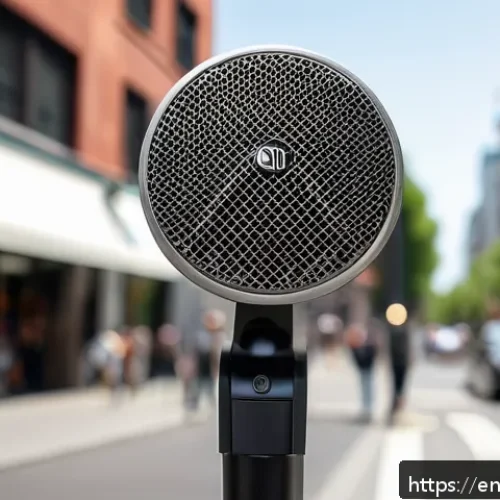
거리공연 마이크 및 사운드 시스템 - A dynamic microphone on a sturdy stand set up on a bustling city street corner, surrounded by urban ...

Hey there, street performers and outdoor artists! With live events bouncing back stronger than ever, nailing your sound setup has never been more crucial.

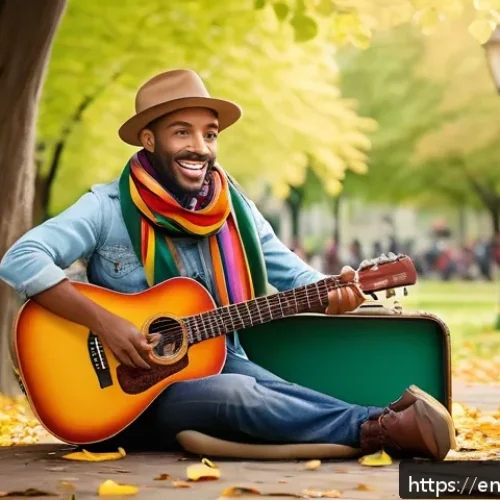
거리공연 마이크 및 사운드 시스템 관련 이미지 1

Whether you’re serenading a busy city square or entertaining a lively park crowd, the right microphone and audio system can make or break your performance.

I’ve spent countless hours fine-tuning gear in all kinds of outdoor settings, and trust me—small tweaks lead to big improvements. Stick around as I share essential tips that’ll help your music cut through the noise and captivate every passerby.

Let’s turn your street show into an unforgettable experience!

Choosing the Right Microphone for Outdoor Performances

Understanding Different Microphone Types

Picking a microphone that suits your outdoor gig is like choosing the right brush for a painting—it completely shapes the final result. Dynamic mics are sturdy and handle high volume well, making them great for bustling city streets where noise levels can spike unpredictably.

Condenser mics, on the other hand, are more sensitive and capture richer sound details but require phantom power and are a bit more delicate, so they fit better in quieter park settings or controlled street corners.

I’ve noticed that switching between these types depending on the environment really changes how crisp and clear your vocals or instruments sound to your audience.

Directional Patterns and Why They Matter

Microphones come with various pickup patterns—cardioid, omnidirectional, and bidirectional being the most common. Cardioid mics capture sound mostly from the front, which helps isolate your voice from street noise and audience chatter behind you.

If you perform with a band or have ambient sounds you want to include, omnidirectional mics might work better since they pick up sound from all around.

I remember playing in a busy park once and found that a cardioid mic helped me focus the sound just on my singing, cutting out a lot of distracting background noise.

Picking the right pattern can be a game-changer for how your performance feels to listeners.

Durability and Weather Resistance

Street performances mean you’re exposed to the elements—sudden rain, dust, or even accidental drops. A mic that’s built tough, preferably with some moisture resistance, will save you headaches and keep your show going no matter what.

I once had a mic that wasn’t weatherproof, and a quick drizzle during a set caused it to cut out entirely. Since then, I always recommend investing in gear with some level of ruggedness, especially if you’re performing year-round outdoors.

Advertisement

Optimizing Your Portable Sound System Setup

Balancing Power and Portability

When I first started, lugging around heavy speakers was a real pain, especially when hopping between locations. Nowadays, compact powered speakers with built-in amplifiers offer an excellent balance of power and portability.

They’re light enough to carry yet deliver enough volume to reach a decent-sized crowd without distortion. Finding this sweet spot means you can set up quickly and keep your energy focused on performing, not on wrestling gear.

Battery Life and Charging Options

Nothing kills a vibe faster than your sound system dying mid-song. That’s why I always scout for speakers with long battery life—ideally 8 hours or more for a full day of busking.

Some models even offer USB charging, so you can top up from a power bank if you’re far from outlets. I’ve learned to carry a couple of extra power banks and a multi-charger, which has saved me multiple times when gigs run longer than expected.

Connectivity and Compatibility

Your microphone and speakers need to play well together, so check compatibility before you buy. Wireless mics offer freedom of movement, but they can be prone to interference in crowded areas.

I’ve found wired setups more reliable for street shows, but if you prefer wireless, invest in a good-quality system with multiple frequency channels. Also, make sure your mixer or audio interface supports the inputs you need—XLR, 1/4 inch, or even Bluetooth for quick setups.

Advertisement

Mastering Sound Checks in Outdoor Environments

Adjusting for Ambient Noise

Street noise fluctuates wildly—traffic, chatter, sirens—you name it. Before you start playing, take a few minutes to listen and adjust your volume and EQ settings accordingly.

Boosting midrange frequencies can help your vocals cut through urban noise, but be careful not to crank the volume so high that it becomes overwhelming or distorts.

I usually do a quick sound check right at performance time because conditions can change fast, and having flexible controls on your mixer is a lifesaver.

Finding the Best Speaker Placement

Where you position your speakers can make a huge difference. Placing them on stands or elevated surfaces helps sound travel farther and reduces ground reflections that muddy your tone.

Also, angling speakers slightly towards your audience rather than straight ahead improves clarity. One time, after repositioning my speakers during a gig, I noticed a big jump in crowd engagement because the sound was more balanced and inviting.

Using Feedback Control Techniques

Feedback is the bane of outdoor sound setups—those piercing squeals can ruin a moment instantly. To minimize feedback, keep your mic pointed away from the speakers and use notch filters or feedback suppressors if your mixer has them.

I’ve found that using a cardioid mic and positioning the speakers correctly cuts down feedback dramatically. If you’re in a noisy environment, practicing muting your mic between songs can also help keep things smooth.

Advertisement

거리공연 마이크 및 사운드 시스템 관련 이미지 2

Essential Accessories That Elevate Your Performance

Stands, Cables, and Carry Cases

Good stands keep your mic stable and free your hands to play instruments or gesture naturally, which makes your show more engaging. High-quality cables prevent signal loss and interference—cheap ones might seem like a money saver but often cause frustrating crackles or dropouts.

Carry cases protect your gear during transit and make setup and teardown much easier. Over the years, I’ve upgraded my cables and cases and noticed my sound quality and gear longevity improve significantly.

Windshields and Pop Filters

Outdoor gigs expose your mic to wind and breath noises that can disrupt sound quality. Using a foam windshield or a furry “dead cat” cover can reduce wind noise dramatically.

Pop filters help soften plosive sounds (like “p” and “b” pops) that can be harsh on listeners’ ears. I always bring these accessories even for seemingly calm days because outdoor conditions can shift quickly, and having them ready keeps my sound consistently clean.

Portable Mixers and Audio Interfaces

If you perform with multiple instruments or backing tracks, a compact mixer or audio interface is a must-have. These devices let you balance levels, add effects, and route signals smoothly.

I started with a simple two-channel mixer and gradually upgraded to a more versatile one with built-in EQ and effects, which really added polish to my performances.

Having control over your sound mix on the spot means you can adapt to any crowd or environment easily.

Advertisement

Comparing Popular Gear Options for Street Performers

Gear Type Recommended Model Key Features Best Use Case Approximate Price
Dynamic Microphone Shure SM58 Durable, cardioid pattern, great vocal clarity Busy streets, high noise areas $100
Condenser Microphone Audio-Technica AT2020 Detailed sound, requires phantom power, sensitive Quieter parks, intimate settings $150
Powered Speaker JBL EON ONE Compact Battery-powered, built-in mixer, Bluetooth Portability with decent power $600
Wireless Mic System Sennheiser XSW 1 Reliable wireless, easy setup, rechargeable Freedom of movement, medium crowds $300
Portable Mixer Mackie Mix8 8 channels, EQ, compact size Multi-instrument setups $120
Advertisement

Tips for Managing Your Sound During Live Sets

Real-Time Volume Adjustments

Crowds can fluctuate, and street noise can spike unexpectedly. I always keep my mixer or speaker volume controls close at hand to tweak levels on the fly.

If the crowd grows, I gently raise the volume; if nearby traffic noise gets loud, I adjust the EQ to help my voice cut through without blasting everyone’s ears.

Engaging with Your Audience Through Sound

Sound isn’t just about volume and clarity—it’s a tool to connect. I often lower the volume slightly during quieter, emotional songs so listeners lean in, and then ramp it up for upbeat numbers to get people moving.

Watching the crowd react to these changes is incredibly rewarding and makes your performance feel alive.

Backup Plans for Technical Glitches

No matter how much you prepare, tech issues happen. I always carry spare cables, batteries, and a backup mic just in case. Also, knowing how to quickly switch to an acoustic or a cappella section can save your set from completely falling apart.

Having these fallback plans gives me confidence to perform without stress, even outdoors where unpredictability is part of the game.

Advertisement

Wrapping Up

Choosing the right microphone and sound equipment can truly transform your outdoor performances. It’s all about matching your gear to the environment and staying flexible with your setup. With the right tools and some practice, you’ll deliver clearer, more engaging shows that captivate any crowd. Remember, preparation and adaptability are your best friends when performing outside.

Advertisement

Useful Tips to Keep in Mind

1. Always test your microphone’s pickup pattern to suit the noise level and setting before your performance.
2. Invest in weather-resistant gear to avoid unexpected interruptions during outdoor gigs.
3. Balance power and portability to make your setup manageable without sacrificing sound quality.
4. Keep extra batteries and charging options handy to stay powered throughout your set.
5. Practice quick sound checks and speaker placements to minimize feedback and maximize clarity.

Advertisement

Key Takeaways

Selecting the right microphone type and directional pattern is essential for sound clarity in different outdoor settings. Durability and weather resistance protect your equipment and ensure uninterrupted performances. Balancing portability with power in your sound system allows easy transport and great audio reach. Real-time adjustments during gigs help you stay connected with your audience, while backup plans prepare you for technical hiccups. Finally, using essential accessories like windshields and quality cables enhances your overall sound experience and gear longevity.

Frequently Asked Questions (FAQ) 📖

Q: What type of microphone works best for outdoor street performances?

A: From my experience, dynamic microphones are usually the go-to for outdoor street performances. They handle background noise better and are more durable against weather and handling.
For instance, using a cardioid dynamic mic helps focus on your voice or instrument while minimizing ambient sounds, which is a lifesaver in busy, noisy environments.
Condenser mics might sound great in controlled settings but often pick up too much wind and crowd noise outside.

Q: How can I improve my sound quality without breaking the bank?

A: You don’t need expensive gear to sound great outdoors. I found that simple things like using a portable mixer with basic EQ controls can make a huge difference.
Adjusting bass and treble to suit your environment helps your music stand out. Also, investing in a decent windscreen or foam cover for your mic significantly reduces wind noise.
Position your speakers strategically to avoid feedback and aim the sound towards your audience rather than open spaces. These small tweaks can elevate your performance without draining your wallet.

Q: What’s the best way to manage power and setup quickly in outdoor gigs?

A: Efficiency is key when setting up outdoors. I always carry a reliable portable battery pack or rechargeable PA system designed for street performers. This eliminates the stress of finding power outlets and lets you move freely.
Practice setting up and breaking down your gear at home to speed things up on the day. Using wireless systems, like Bluetooth speakers or wireless mics, can reduce cable clutter and save time too.
Trust me, the less hassle you have, the more energy you can put into your performance.

📚 References


➤ Link

– Google Search

➤ Link

– Bing Search

➤ Link

– Google Search

➤ Link

– Bing Search

➤ Link

– Google Search

➤ Link

– Bing Search

➤ Link

– Google Search

➤ Link

– Bing Search

➤ Link

– Google Search

➤ Link

– Bing Search

➤ Link

– Google Search

➤ Link

– Bing Search

➤ Link

– Google Search

➤ Link

– Bing Search
Advertisement