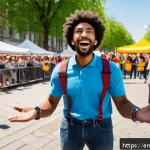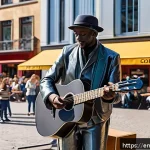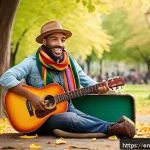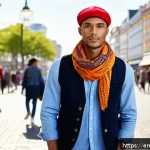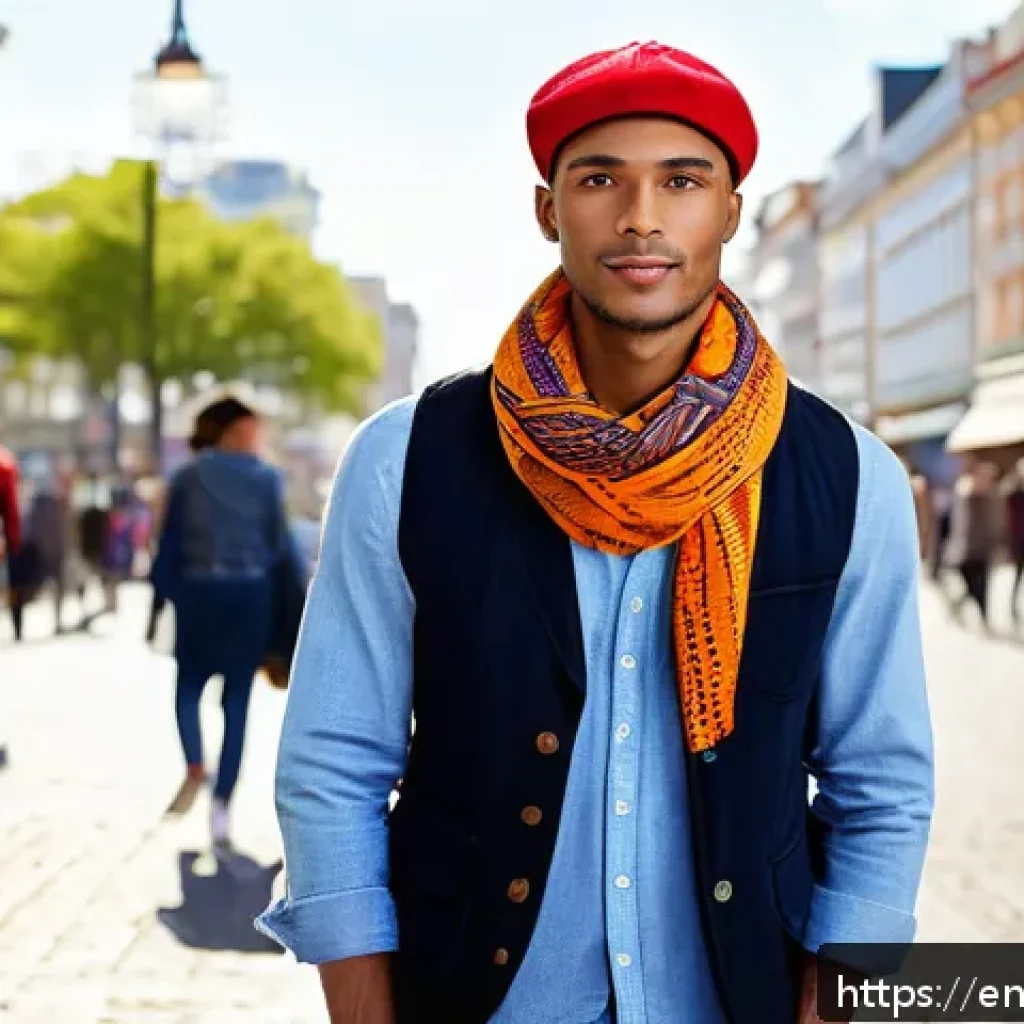
In today’s bustling urban landscapes, street performers are more than just entertainers—they’re vibrant storytellers who capture the city’s pulse through their art.
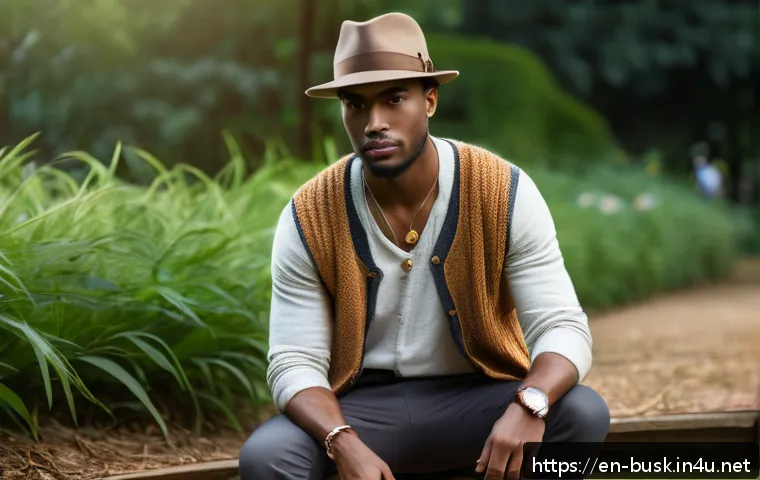
With the rise of social media and live streaming, how you present yourself visually has become just as crucial as your performance skills. Whether you’re a seasoned artist or just stepping onto the street stage, mastering your style can make all the difference in grabbing and holding your audience’s attention.
Let’s explore how dressing with intention can transform your street presence and help you connect deeply with your urban crowd. Stick around, because these insights might just be the game-changer you’ve been searching for.
Crafting a Signature Look That Speaks Volumes
Discovering Your Visual Identity
Finding a style that resonates with your personality and art is the foundation of a memorable street presence. When I first started performing, I realized that my clothes weren’t just fabric—they were a canvas for storytelling.
Whether it’s bold colors that mirror your music’s energy or subtle textures that hint at your poetic side, your outfit should be an extension of your creative voice.
Think of it as a visual prelude to your act; it sets expectations and invites curiosity. Experimenting with different looks over time helped me understand which elements felt authentic and which ones drew the right kind of attention.
Balancing Practicality and Personality
Street performance demands comfort without sacrificing style. You’re out there for hours, moving, interacting, sometimes even braving unpredictable weather.
I learned the hard way that flashy but uncomfortable shoes can ruin a whole show. Layering is key—think breathable fabrics that allow freedom of movement but also keep you warm during chilly evenings.
Accessories like hats or scarves can add flair while serving a practical purpose. The trick is to blend these elements seamlessly so that your outfit doesn’t just look good but supports your performance energy.
Color Psychology and Mood Setting
Colors aren’t just eye candy; they communicate mood and intention on a subconscious level. For example, vibrant reds and oranges can energize the crowd, while blues and greens tend to evoke calm and trust.
When I planned my sets, I matched my outfit colors with the vibe I wanted to create—upbeat songs got a splash of bright hues, while soulful ballads saw me in muted tones.
This subtle visual cue prepares the audience emotionally, making your performance even more immersive.
Leveraging Textures and Layers to Add Depth
Why Texture Matters on the Street
Textures catch light differently and add a tactile dimension to your visual story. I’ve noticed that rough denim or worn leather jackets tell a different story than silky or knitted fabrics.
This contrast can echo your performance style, whether gritty and raw or smooth and polished. Mixing textures also keeps your outfit dynamic, especially when the crowd is close enough to see details up close.
The interplay of materials invites a second look, which is often what hooks passersby.
Mastering Layering Techniques
Layering isn’t just for weather—it can be a powerful stylistic tool. I like to start with a base piece that’s simple but comfortable, then add statement layers like a patterned vest, a colorful scarf, or a quirky jacket.
This approach allows for quick changes or adaptations during a long day of performing. Plus, layers create visual interest and depth, making your look less flat and more engaging.
The key is to avoid bulkiness; each layer should complement, not overwhelm.
Accessorizing Without Overdoing It
Accessories are like seasoning in cooking—too little, and the dish is bland; too much, and it’s overwhelming. I’ve found that a few well-chosen pieces—think a unique hat, funky sunglasses, or a handmade necklace—can elevate your entire look.
They become conversation starters and help people remember you. Avoid heavy or noisy accessories that might distract from your performance, and opt for items that reinforce your artistic persona.
Choosing Footwear That Supports Both Style and Stamina
The Importance of Comfortable Shoes
Performing on the street means standing, walking, and sometimes dancing for hours, so comfort is non-negotiable. Early in my career, I ignored this and paid the price with sore feet and shortened sets.
Investing in shoes with good arch support and cushioning changed the game. I now recommend trying on several pairs and even testing them on uneven pavements before committing.
Comfort doesn’t mean sacrificing style—you can find plenty of options that blend both.
Matching Footwear to Your Act’s Vibe
Your shoes can say as much about your style as your clothes. For a vintage jazz musician vibe, classic leather oxfords work wonders. For a street magician or mime, simple black boots add to the mystique.
I often choose footwear that complements my overall color scheme and performance mood. This harmony pulls your look together, making it feel intentional rather than thrown together.
Weather-Proofing Your Footwear
Rain or shine, you want your shoes to hold up. Slip-resistant soles and water-resistant materials are lifesavers. I keep a waterproof spray handy and have a backup pair of foldable flats for emergencies.
This preparedness means I never have to cut a performance short due to soggy socks or slippery sidewalks.
Using Statement Pieces to Capture Attention Instantly
Identifying Your “Wow” Factor
A statement piece is that one item that makes people stop and look twice. It could be a colorful jacket, a hat with a unique shape, or a handcrafted prop that complements your routine.
I once wore a bright, oversized scarf that became my signature, and audiences began recognizing me just by that. Finding your wow factor means thinking about what sets you apart and embracing it unapologetically.
Integrating Statement Pieces Without Overwhelming
While bold items draw attention, they shouldn’t overshadow your performance. I always pair my statement piece with more neutral basics to keep the focus balanced.
For instance, if you have a dazzling vest, keep your pants and shirt simple. This contrast creates a clear visual hierarchy and helps your audience absorb your entire look rather than fixating on one element.
Rotating Your Statement Elements
Changing up your signature pieces keeps your style fresh and exciting. I like to switch hats or scarves depending on the season or the venue. This rotation also helps me test which pieces resonate best with different crowds.
Keeping a small collection of statement items lets you adapt while maintaining your unique brand.
Aligning Your Outfit with Your Performance Genre
Matching Visuals to Musical or Artistic Style
Your genre often guides your wardrobe choices naturally. When I performed blues, my attire leaned toward vintage and rugged; for folk, earthy tones and handmade accessories worked well.
Matching your look to your art creates a cohesive experience that audiences subconsciously appreciate. It tells them you’re serious and thoughtful about your craft.
Adapting to Audience Expectations Without Losing Authenticity
Sometimes, street crowds expect a certain aesthetic—think colorful costumes for circus acts or sleek, dark outfits for beatboxers. I’ve learned to nod to these expectations while keeping my personal twist.
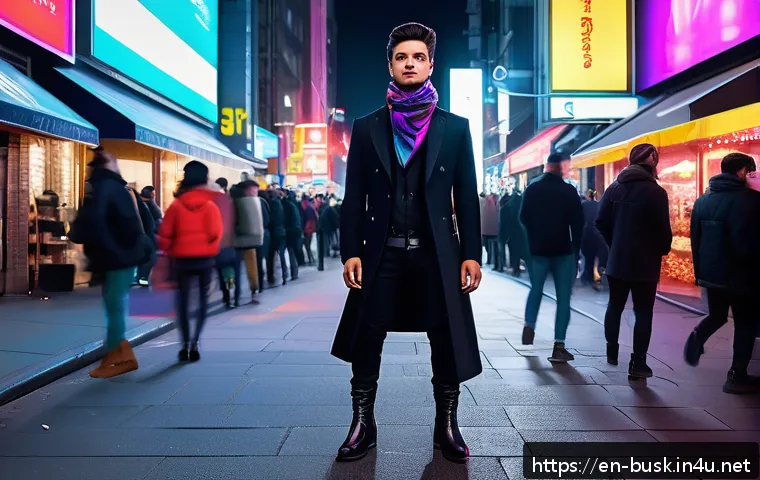
For example, adding a funky accessory to a classic look or choosing unexpected color combos. This balance respects audience norms but keeps your identity intact.
Using Props and Costumes as Extensions of Your Style
Props aren’t just tools—they’re part of your visual language. I’ve used everything from vintage suitcases to LED gloves, and each prop added layers to my story.
When chosen thoughtfully, props become part of your outfit’s rhythm and help deepen audience engagement. Just make sure they’re easy to carry and don’t distract from your core performance.
Creating Visual Consistency Across Performances
Building a Recognizable Brand Through Style
Consistency in your look helps build a loyal following. When people see you in a recurring color scheme, style, or accessory, they start associating it with your name.
I made it a habit to wear a signature hat or a certain type of jacket in every show, which made it easier for fans to spot me in crowded places or online.
This visual branding is subtle but powerful for street performers.
Documenting Your Style Evolution
Keeping photos or videos of your outfits helps track what works and what doesn’t. I keep a digital lookbook that I update after every season. This practice not only inspires new ideas but also ensures I don’t lose sight of my core aesthetic as I experiment and grow.
It’s like having a style diary that informs future choices.
Using Social Media to Amplify Your Visual Identity
Posting your performance outfits on platforms like Instagram or TikTok extends your street presence beyond the physical location. I noticed more people recognized me on the street after seeing my consistent style online.
Sharing behind-the-scenes glimpses of your outfit planning or quick styling tips also invites fans into your creative process, building stronger connections.
| Aspect | Key Considerations | Examples |
|---|---|---|
| Comfort | Breathable fabrics, supportive shoes, weather-appropriate layering | Light cotton shirts, cushioned sneakers, waterproof jackets |
| Visual Impact | Bold colors, statement pieces, texture mixing | Bright scarves, leather vests, patterned hats |
| Authenticity | Aligning style with personal and artistic identity | Vintage for blues, earthy tones for folk, sleek for electronic |
| Practicality | Ease of movement, prop integration, durability | Stretchy pants, lightweight props, water-resistant shoes |
| Brand Consistency | Signature accessories, recurring color schemes, social media presence | Signature hats, consistent color palette, Instagram outfit posts |
Incorporating Cultural Elements Tastefully
Drawing Inspiration Without Appropriation
Incorporating cultural motifs or styles can add richness to your look, but it requires respect and understanding. I always make sure to research the origins of patterns or accessories before including them.
For example, a scarf inspired by indigenous designs can be a powerful homage if worn with permission and proper acknowledgment. This mindfulness avoids offense and shows your respect for diverse cultures.
Celebrating Local Heritage Through Style
When performing in a specific city or neighborhood, weaving local fashion elements into your outfit can create immediate rapport. I once added a small pin representing the local sports team to my jacket, and it sparked warm conversations with passersby.
This localized touch makes your performance feel more connected and relevant.
Collaborating with Local Artisans
Supporting local craftspeople by wearing handmade jewelry or clothing pieces adds authenticity and uniqueness to your style. I discovered a street vendor who made custom hats, and wearing one of his creations not only elevated my look but also fostered community ties.
These collaborations bring fresh energy and stories to your performance wardrobe.
Adapting Your Style for Different Performance Settings
Daytime vs. Nighttime Looks
Street performances can vary dramatically from midday busking to late-night gigs. During the day, brighter colors and lighter fabrics work well to attract attention under natural light.
At night, reflective elements, LED accents, or darker palettes create a moodier, more mysterious vibe. I’ve learned to pack a quick-change outfit or accessories that help me transition smoothly between these settings.
Urban vs. Park Performances
Performing in a bustling city square calls for a different style than a relaxed park setting. In urban spots, bold and edgy outfits cut through the noise, while in green spaces, softer tones and more natural fabrics blend beautifully with the environment.
Adjusting your style to the surroundings enhances the audience’s overall experience and makes your act feel harmonious.
Seasonal Adjustments Without Losing Identity
Weather changes demand wardrobe tweaks, but maintaining your core style is crucial. I swap out heavy coats for stylish hoodies or add gloves and beanies that match my color palette.
This flexibility keeps you comfortable and visually consistent, ensuring your audience recognizes you year-round regardless of the season.
In Conclusion
Crafting a signature look is more than just choosing clothes—it’s about expressing your creative soul and connecting with your audience visually. By blending comfort, personality, and thoughtful details, your style becomes an extension of your art. Remember, consistency and authenticity are key to leaving a lasting impression wherever you perform.
Useful Tips to Keep in Mind
1. Prioritize comfort to sustain energy and focus during long performances—supportive shoes and breathable fabrics make all the difference.
2. Use colors strategically to set the mood and engage your audience emotionally before you even start playing.
3. Incorporate textures and layers thoughtfully to add depth and keep your outfit dynamic without feeling bulky.
4. Choose statement pieces that highlight your individuality but balance them with neutral basics for a cohesive look.
5. Adapt your wardrobe to different venues, times of day, and weather conditions while maintaining your unique style identity.
Key Takeaways
Building a visual identity that reflects your artistic voice enhances audience connection and memorability. Comfort should never be sacrificed for style—finding the perfect balance sustains performance quality. Thoughtful use of color, texture, and accessories can transform your look into a powerful storytelling tool. Consistency in your style fosters brand recognition, and adapting to context shows professionalism without losing authenticity.
Frequently Asked Questions (FAQ) 📖
Q: How important is my outfit when performing on the street?
A: Your outfit plays a huge role in catching the eye of passersby and setting the tone for your performance. When I first started, I noticed that people were drawn not just to the act but also to the visual story I was telling through my clothes.
Dressing with intention helps you stand out from the crowd, communicates your style or theme instantly, and creates a memorable impression that encourages people to stop and watch longer.
Q: What kind of clothing should I choose to enhance my street performance?
A: Comfort and authenticity are key. You want clothes that allow you to move freely but also reflect your artistic identity. For example, if you’re a musician with a vintage vibe, vintage-inspired outfits can deepen that connection.
If you’re a dancer, breathable, flexible fabrics work best. Bright colors or unique accessories can also attract attention, but it’s important they feel natural to you—audiences can sense when something feels forced.
Q: Can dressing well really impact how much money I earn from street performing?
A: Absolutely. From my experience, a well-thought-out appearance increases engagement, which often translates to higher tips. People are more likely to stop and linger if your look complements your act, creating a full sensory experience.
Plus, with social media sharing becoming common, a striking outfit can make your performance more shareable, boosting your visibility and potential earnings beyond the street itself.