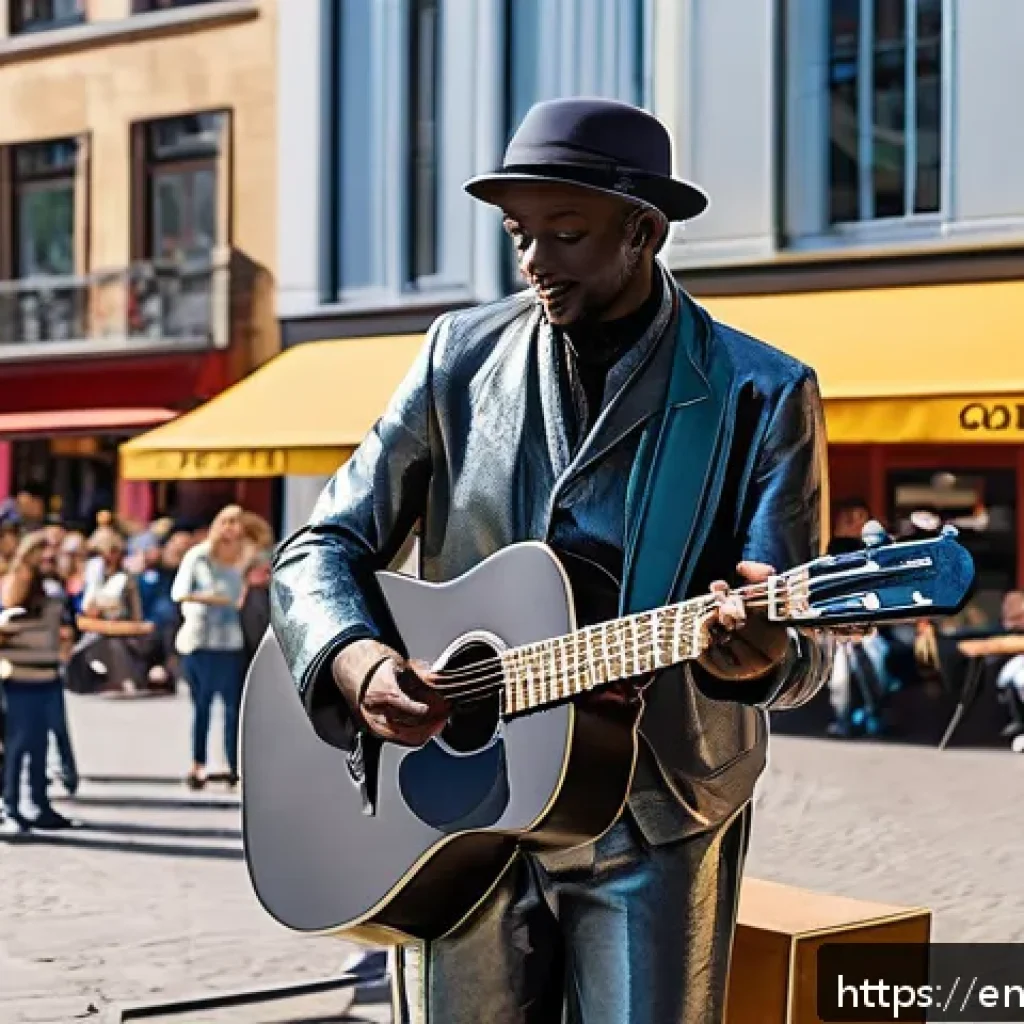
Have you ever paused to watch a street performer transform a bustling city corner into a stage of wonder? In today’s fast-paced urban life, live street art offers a refreshing escape, blending creativity with community in ways that digital screens simply can’t match.
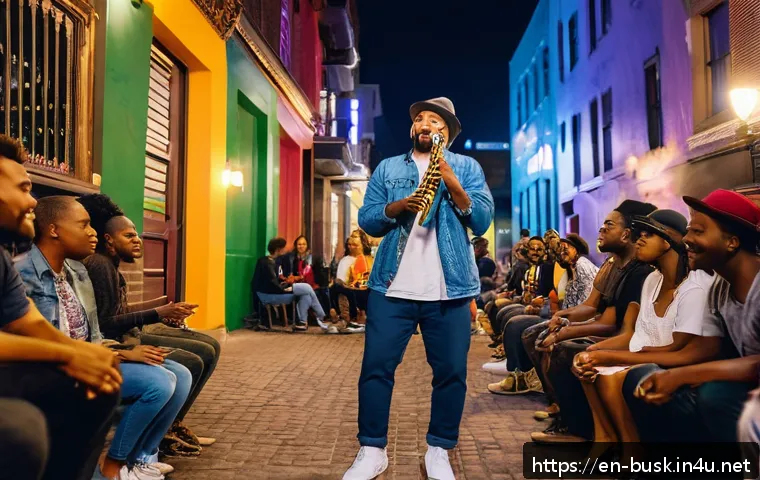
As cities increasingly embrace outdoor cultural experiences, street performances are not only captivating passersby but also redefining public spaces.
Whether it’s a mesmerizing musician, a daring acrobat, or an imaginative painter, these artists bring life and magic to everyday streets. Let’s dive into how this vibrant form of expression is reshaping urban culture and why it continues to draw crowds eager for authentic, shared moments.
The Unseen Dynamics Behind Street Performance Success
Capturing Attention Amid Urban Noise
One of the biggest challenges street performers face is cutting through the constant noise and movement of city life. It’s not just about being loud or flashy; it’s about creating a magnetic energy that pulls people in naturally.
From what I’ve observed at busy intersections and parks, performers who succeed often start with subtle cues — a soft melody, eye-catching costumes, or intriguing props that spark curiosity.
These small details invite pedestrians to pause without feeling pressured, making the transition from passerby to engaged audience seamless. It’s a delicate balance that takes experience and a deep understanding of human behavior in public spaces.
Building a Shared Experience with Strangers
There’s something uniquely powerful about street performances that foster spontaneous community moments. Unlike scheduled theater shows, these performances unfold organically, drawing in diverse crowds who might never have crossed paths otherwise.
The interaction is raw and unpredictable, often involving audience participation or direct eye contact, which breaks down barriers. I remember a street magician in New York who, through simple tricks and witty banter, transformed skeptical onlookers into enthusiastic fans.
This collective engagement creates a fleeting but genuine sense of connection, reminding us that art can be a social glue in urban environments.
Adapting to the Environment and Audience
A street performer’s ability to read the environment and adjust their act accordingly is crucial. Weather, time of day, crowd demographics, and even local regulations all influence how a show unfolds.
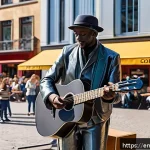
Performers often modify their pacing, volume, or style to suit the moment — a quieter, soulful guitar set during a rainy afternoon contrasts with a high-energy juggling act on a sunny weekend.
This adaptability is a skill honed through trial and error and contributes to the authenticity and resilience that audiences appreciate. I’ve seen performers switch from a solo act to a collaborative routine with fellow artists, showing remarkable flexibility that keeps their presence fresh and relevant.
The Economic Ripple Effects of Street Art in Cities
Boosting Local Business Through Foot Traffic
Street performances don’t just entertain; they also generate tangible economic benefits for surrounding businesses. Areas with vibrant street art scenes often see increased foot traffic as people linger longer, drawn by the lively atmosphere.
Cafes, shops, and restaurants nearby can experience higher sales simply because audiences decide to grab a coffee or meal before or after the show. From personal experience visiting bustling markets, I’ve noticed how a well-placed performer can transform a quiet corner into a thriving mini-hub of activity, benefiting multiple stakeholders beyond just the artist.
Creating Opportunities for Artists to Monetize Their Craft
Many street performers rely on tips, merchandise sales, and sometimes sponsorships to make a living. The rise of digital platforms and social media has further expanded their reach, allowing them to build followings and attract patrons who support their work beyond the streets.
I’ve chatted with musicians who started with modest busking gigs and gradually developed fan bases that fund studio recordings or tours. This blend of traditional street performance with modern marketing strategies offers a sustainable path for artists passionate about sharing their talents openly.
City Policies and Their Impact on Street Performers
Municipal regulations play a significant role in shaping the street performance landscape. Some cities have embraced busking with supportive permits, designated zones, and promotional programs, recognizing the cultural and economic value these artists bring.
Conversely, restrictive policies can limit performance times or locations, stifling creativity and accessibility. Understanding the local regulatory environment is essential for performers aiming to thrive and for communities hoping to nurture their urban culture.
From what I’ve seen in cities like Austin and Portland, a collaborative approach between officials and artists leads to the most vibrant and sustainable street art scenes.
How Street Art Influences Urban Design and Public Space Usage
Transforming Underutilized Spaces into Cultural Hotspots
Street performances often breathe new life into overlooked urban areas. Empty plazas, alleys, or transit hubs become stages that attract diverse crowds and encourage social interaction.
This transformation can shift perceptions of safety and desirability, encouraging city dwellers to reclaim public spaces. I’ve witnessed a neglected square become a weekly gathering spot where families, tourists, and locals mingle, all thanks to the magnetic draw of street artists.
Such shifts can inspire urban planners to integrate performance-friendly designs into future developments, blending functionality with cultural vibrancy.
Encouraging Informal Social Gatherings
Unlike formal venues, street performances invite informal, spontaneous gatherings where people can come and go freely. This fluidity makes public spaces more welcoming and dynamic, supporting a range of social behaviors from quiet reflection to energetic celebration.
Observing these scenes, it’s clear that street art fosters inclusivity by removing traditional barriers like ticket prices or dress codes. The result is a democratization of culture that enriches the urban experience for all.
Inspiring Creativity Beyond the Stage
The presence of street performers often sparks creativity in unexpected ways. Passersby might pick up an instrument, try their hand at painting, or join in dance, blurring the lines between audience and artist.
This ripple effect fosters a culture of participation and experimentation, contributing to a city’s identity as a creative hub. I’ve seen local governments sponsor workshops and pop-up events inspired directly by the energy and style of street performers, further embedding art into daily life.
The Emotional Resonance of Live Street Performances
Creating Moments of Joy and Escape
One of the most compelling aspects of street art is its ability to create brief yet profound moments of happiness amid busy routines. Whether it’s a soulful violinist or a comedic mime, these performances offer a chance to pause, smile, and reconnect with a sense of wonder.
I recall a chilly evening when a saxophonist’s impromptu jazz set brought warmth and smiles to a crowd of strangers, reminding everyone of the simple power of music to lift spirits.
Fostering Empathy Through Shared Stories
Many street performers use their art to tell personal or social stories that resonate deeply with their audiences. This storytelling can challenge perceptions, raise awareness, or simply invite reflection.
When done well, it builds empathy by bridging gaps between diverse backgrounds. I’ve witnessed spoken word artists and dancers share narratives about identity and struggle that moved passersby to tears, illustrating how street art can be a potent vehicle for human connection.
Offering a Platform for Diverse Voices
Street performance is an accessible medium where marginalized or emerging artists can showcase their talents without gatekeepers. This openness enriches the cultural fabric by introducing varied perspectives and styles.
From my interactions, it’s clear that audiences appreciate the authenticity and rawness that often comes with street art, which can feel more honest and immediate than polished productions.
Technological Innovations Enhancing Street Performance
Integrating Digital Tools to Expand Reach
Many street performers now incorporate technology like loop pedals, portable sound systems, and LED lighting to enhance their acts and captivate audiences.
These tools allow for more complex and immersive performances that stand out in crowded urban settings. I’ve seen a solo musician build layered soundscapes live using a loop station, creating the effect of a full band and drawing larger crowds than traditional setups.
Leveraging Social Media for Community Building
Performers often use platforms like Instagram, TikTok, and YouTube to share snippets of their street shows, attract followers, and announce upcoming gigs.
This digital presence helps convert casual viewers into dedicated fans and even patrons who support projects financially. I know artists who’ve successfully crowdfunded albums or tours by combining their street performances with savvy online engagement, blending the best of both worlds.
Virtual Reality and Augmented Reality Experiments
Emerging tech like VR and AR is beginning to intersect with street art, offering interactive experiences that blend physical and digital realms. Imagine walking past a mural that comes alive with augmented animations or a performer whose act is enhanced by virtual elements visible through a smartphone.
While still in early stages, these innovations promise to redefine how audiences engage with public performances and could open new creative frontiers for artists.
Common Types of Street Performances and Their Unique Appeal
Musical Acts That Set the Tone
Music remains one of the most popular street performance forms, ranging from solo acoustic players to full bands. The immediacy of live sound fills public spaces with emotion, whether it’s a soulful ballad or an upbeat rhythm that gets feet tapping.
Based on my experiences, musicians who interact with their audience through storytelling or song requests tend to build the strongest rapport, creating memorable moments that linger after the last note fades.
Physical Performances That Dazzle
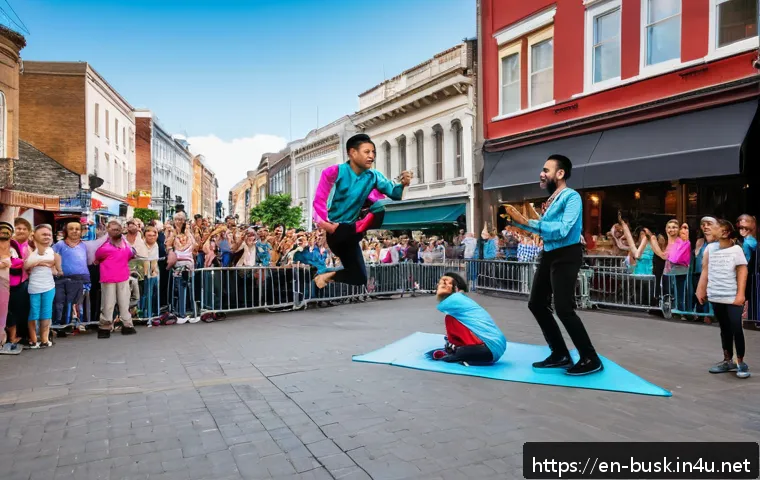
Acrobats, jugglers, and dancers captivate crowds with feats of skill and daring. Their dynamic movements and often colorful costumes add a visual spectacle that contrasts beautifully with the static architecture of cities.
I’ve stood mesmerized by street dancers whose energy and precision rival professional stage shows, proving that raw talent can shine anywhere.
Visual Arts and Living Statues
Painters, caricature artists, and living statues bring a different kind of magic to the streets, inviting interaction through creativity and surprise.
Watching a painter create a masterpiece in real-time or a living statue suddenly move sparks delight and curiosity. These performances often encourage personal engagement, such as commissioning a quick portrait or posing alongside an artist, deepening the connection between creator and audience.
Street Performance Audience Behavior and Engagement Patterns
From Casual Curiosity to Active Participation
Audience engagement with street performances often begins with a moment of curiosity—someone stopping to glance or listen. From there, engagement can evolve into clapping, dancing, or even joining in the act.
I’ve noticed that performers who encourage this kind of interaction create a more memorable experience for everyone involved. For example, a drummer inviting onlookers to play a rhythm or a storyteller asking for volunteers often turns a passive crowd into an enthusiastic community.
The Role of Social Dynamics in Crowd Formation
The way crowds gather around street performers is influenced by social cues and group behavior. A small cluster of engaged spectators tends to attract more people, creating a feedback loop that builds momentum.
I’ve seen this happen repeatedly in city squares where initial interest snowballs into a sizeable audience, enhancing the energy and visibility of the performance.
Factors Influencing Audience Retention
Keeping an audience’s attention in an unpredictable public setting requires a mix of talent, pacing, and charisma. Performers who can read their crowd and adjust their delivery accordingly tend to hold attention longer.
Personal stories, humor, and dynamic shifts in tempo or style help maintain interest. From my observations, those who succeed often treat the street as a living stage, responding fluidly to the vibe and flow of the crowd.
| Type of Performance | Typical Audience Reaction | Common Engagement Methods | Challenges |
|---|---|---|---|
| Musical Acts | Clapping, singing along, dancing | Song requests, storytelling, interactive jams | Ambient noise, sound permits |
| Physical Acts (Acrobats, Jugglers) | Cheering, gasps, applause | Inviting participation, demonstrations | Safety concerns, space limitations |
| Visual Arts (Painters, Living Statues) | Curiosity, photo-taking, commissions | Live creation, posing with statues | Weather sensitivity, slower engagement |
| Magicians and Illusionists | Amazement, laughter, tip-giving | Close-up tricks, audience volunteers | Maintaining secrecy, crowd control |
| Spoken Word and Storytelling | Reflection, applause, emotional response | Direct address, interactive Q&A | Noise distractions, varied attention spans |
In Conclusion
Street performances are much more than simple entertainment; they create meaningful connections, enhance urban life, and offer economic opportunities. The success of these artists lies in their ability to engage audiences with authenticity and adapt to ever-changing environments. As cities evolve, so too does the role of street art in shaping vibrant, inclusive public spaces that invite creativity and community. Recognizing and supporting these performers enriches the cultural fabric of our urban experiences.
Helpful Information to Keep in Mind
1. Street performers use subtle cues and audience interaction to naturally capture attention amid busy city life.
2. Their acts foster spontaneous community moments, creating shared experiences among strangers.
3. Adaptability to weather, crowd, and regulations is key to maintaining relevance and audience interest.
4. Street art boosts local businesses by increasing foot traffic and encouraging spending nearby.
5. Technology and social media have become essential tools for performers to expand their reach and monetize their craft.
Key Takeaways
Understanding the complex dynamics behind street performances helps appreciate their cultural and economic impact. Successful performers blend talent with adaptability, audience engagement, and savvy use of technology. Cities that embrace supportive policies foster thriving street art scenes, which in turn transform public spaces and promote inclusivity. Ultimately, street performances offer unique emotional connections and creative inspiration that enrich urban life for both locals and visitors alike.
Frequently Asked Questions (FAQ) 📖
Q: Why do street performances attract so many people in busy urban areas?
A: Street performances offer a unique, live experience that stands out from the usual hustle and bustle of city life. Unlike digital entertainment, they engage audiences directly, creating a sense of community and shared emotion.
When you watch a street performer, you’re witnessing creativity unfold in real time, which adds an element of surprise and authenticity that people crave amid their fast-paced routines.
Plus, these performances often bring a vibrant energy to public spaces, making the city feel more alive and welcoming.
Q: How do street performers impact the culture and economy of a city?
A: Street performers play a vital role in enriching urban culture by making art accessible to everyone, regardless of background or income. Their presence transforms ordinary streets into lively cultural hubs, encouraging social interaction and inclusivity.
Economically, they attract foot traffic that benefits nearby businesses like cafes and shops, boosting local commerce. In some cities, well-known street performance areas become tourist attractions themselves, contributing significantly to the local economy while promoting cultural diversity.
Q: What should I keep in mind when watching or supporting street performers?
A: First, be respectful of the performer’s space and time—avoid interrupting their act and try to stay mindful of others watching. If you enjoy the show, tipping is a great way to show appreciation and support their craft, as many rely on donations to keep performing.
Also, remember that street performances are live and unpredictable, so embracing the spontaneity is part of the fun. Lastly, taking photos or videos is usually fine, but it’s polite to ask permission first, especially if the performer uses their image for promotional purposes.