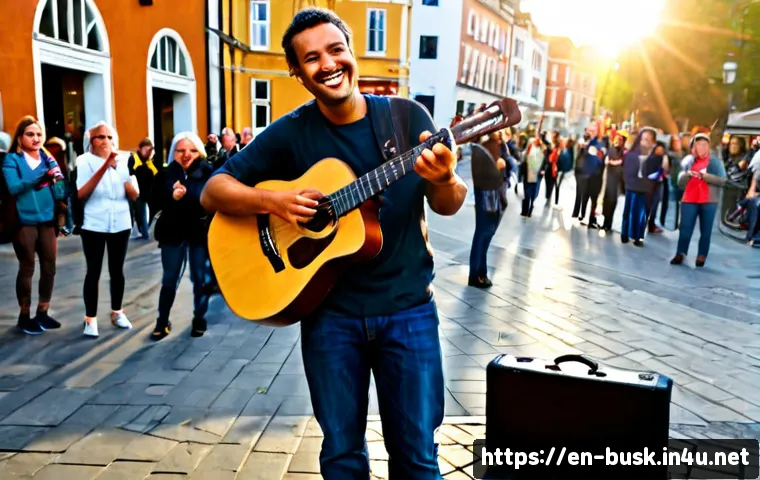
The best street performance format depends on how people move, how long they stay, how much sound the site can handle, and what the event needs to achieve.
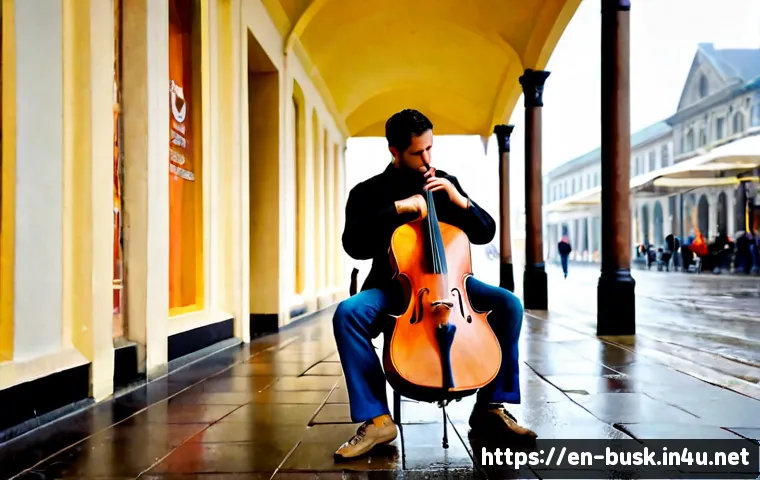
Acoustic music suits relaxed stopping points, visual and roaming acts fit moving crowds, and interactive performers work best where visitors are likely to linger.
For organizers, the practical choice is rarely the most elaborate act; it is the one that fits the available space, sound rules, weather plan, and audience behavior.
Comparing performer booking requirements early can prevent mismatched entertainment packages and unexpected production needs. Performers can use the same criteria to present a clearer offer when discussing a public event, market, festival, or brand activation.
At a Glance
- Small plazas and markets: acoustic music, caricature artists, living statues, and compact visual acts often fit limited space.
- Busy festivals and programmed areas: amplified music, DJs, bands, and scheduled circus-style acts may suit larger gathering zones.
- Before booking: compare audience movement, sound tolerance, equipment, weather backup, and crowd-flow needs.
| Performance Format | Audience Interaction | Equipment Needs | Space and Weather Considerations | Common Quote Factors |
|---|---|---|---|---|
| Acoustic musician or singer-songwriter | Low to moderate | Usually light; confirm any portable sound needs | Works near seated or slow-moving audiences; weather protection may be needed | Set length, travel, schedule, sound setup |
| Band, DJ, or amplified act | Moderate | Sound system, power access, possible crew support | Needs a defined gathering area and attention to sound limits | Technical rider, equipment, crew, event duration |
| Magician, juggler, or circus-style act | High | Varies by act | Needs clear viewing space and safe crowd edges; weather can affect props | Show format, performance schedule, travel, safety setup |
| Dance, mime, or living statue | Low to moderate | Often light; music needs vary | Useful for mixed-language crowds and pedestrian zones; surface and weather matter | Costume needs, set length, music support, travel |
| Workshop, caricature artist, or participatory act | High | Tables, seating, materials, or display area may be needed | Best where guests can remain for longer; protect the queue area | Materials, duration, expected attendance, staffing |
Which Street Performance Style Fits Your Space and Audience?
Quick answer: choose music, visual acts, interactive acts, or roaming entertainment based on dwell time and crowd movement.
A simple starting point is to watch what visitors naturally do at the site. If people pause for food, browse stalls, or sit nearby, stationary entertainment can work well. Acoustic musicians, singer-songwriters, caricature artists, and short scheduled magic shows can give those guests a reason to stay a little longer.
If the crowd is mainly passing through, choose an act that does not require a long commitment. Visual performance, such as mime, dance, living statues, or compact roaming entertainment, can create interest without forcing a crowd to stop in a narrow walkway. This is useful for street events with mixed-language audiences because the appeal does not depend entirely on spoken instructions.
For a planned gathering area, a band, DJ, or larger circus-style act can create a focal point. However, a more visible act is not automatically a better fit. It may require portable sound equipment, power access, additional crew, a defined performance area, and more careful crowd management.
Start with site conditions before choosing the most impressive-looking act.
Start with the site, not the performer list. Identify where people enter, queue, sit, cross, shop, and leave. Then consider whether the event needs a background atmosphere, a timed show, a photo opportunity, or an activity that keeps visitors on site.
Sound tolerance is one of the first filters. An acoustic act may be suitable where nearby businesses, hospitality guests, or conversations need to remain comfortable. An amplified performance may be better for a designated stage zone, but local amplified-sound restrictions must be checked directly.
Also look at the practical surface and shelter available. A visual artist may need only a modest footprint, while a performance involving props, movement, or equipment may need a wider protected area. Weather sensitivity should be discussed before the entertainment booking is confirmed, not on the event day.
Compare Popular Street Entertainment Formats Before Booking
Acoustic musicians and singer-songwriters for relaxed, stationary audiences
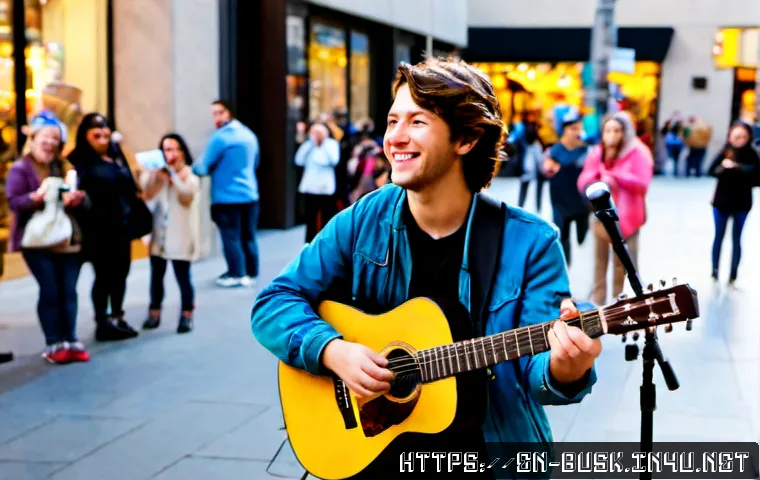
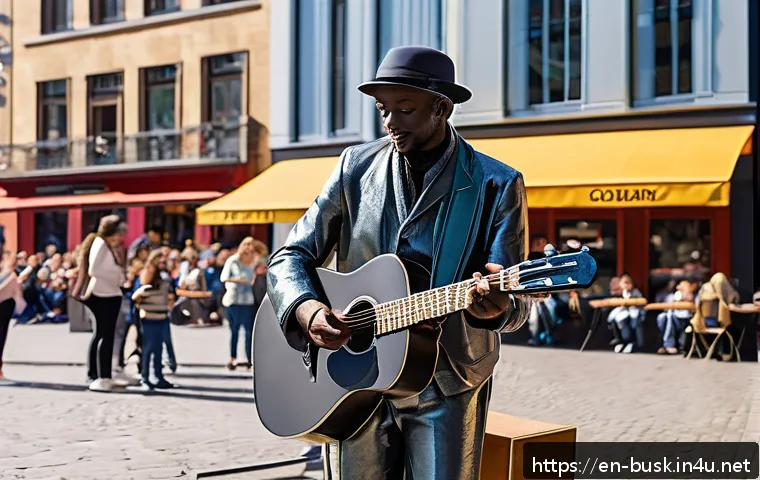
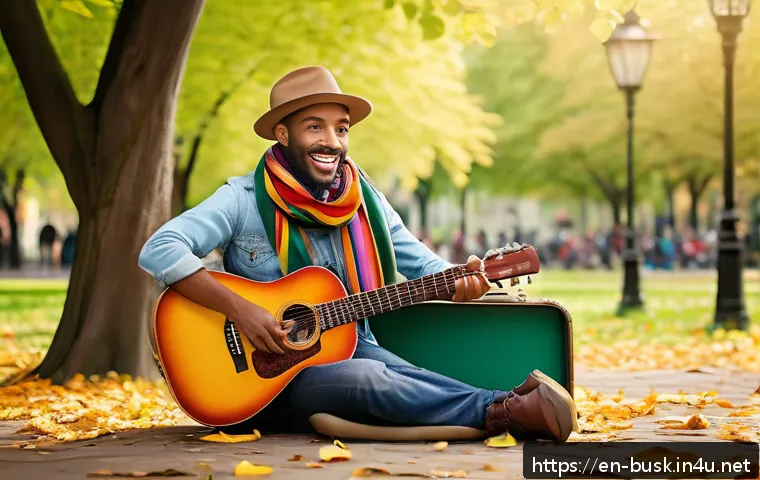
Acoustic performers are often a practical choice for markets, neighborhood gatherings, patio-adjacent spaces, and smaller public events. They can support a welcoming atmosphere without turning every visitor into a formal audience member. This format can also be easier to position near food vendors or seating areas, provided pedestrian access remains clear.
When comparing performers, ask whether the act is fully acoustic or whether it uses a small amplifier. Confirm the preferred set schedule, break needs, rain protection, and any sound equipment requirements. A simple setup can offer strong event value when the purpose is ambiance rather than a headline performance.
Bands, DJs, and amplified acts for programmed events and larger gathering areas
Bands, DJs, and other amplified acts can suit city festivals, outdoor stages, retail launches, and programmed event schedules. They can help create a clear activity hub, especially when organizers want visitors to gather at specific times. The trade-off is a greater need for production planning.
Before requesting quotes, clarify power access, sound system responsibility, stage or performance-zone dimensions, crew access, load-in timing, and the technical rider. A strong live entertainment package may involve more than the performer alone. It may also require event-support services, audio equipment, or a site contact who can coordinate setup.
Do not assume a larger sound system is always the right answer. If the site is compact or sound-sensitive, an oversized production can reduce comfort for vendors, neighbors, and visitors.
Magicians, jugglers, and circus-style acts for short attention cycles
Magicians, jugglers, and circus-style performers can be effective when people arrive in waves and need a quick reason to stop. Their format often works well with short attention cycles because a visible moment can attract passersby without requiring them to know the full event program in advance.
These acts need clear sightlines and a safe edge around the performance space. Avoid placing them directly in a narrow entrance, transit route, emergency access point, or vendor queue. Confirm the performer’s safety requirements, prop needs, weather limitations, and preferred audience distance before finalizing the layout.
Dance, mime, living statues, and visual performance for mixed-language crowds
Visual street entertainment can work across language barriers and can be especially useful in tourist-facing areas, pedestrian zones, and brand activations. Dance and mime may create a short performance moment, while living statues can provide a steady visual feature that visitors notice as they move through the site.
These acts may require less audio infrastructure than a band or DJ, but they still need thoughtful placement. Consider the ground surface, lighting conditions, costume comfort, heat, wind, and rain exposure. For a brand event, confirm in advance whether the performer will be asked to interact with signage, product displays, filming, or guest photos.
Interactive workshops, caricature artists, and participatory acts for longer dwell time
Participatory acts are best when the goal is longer dwell time. A caricature artist, small workshop, or hands-on activity gives guests a reason to wait, talk, and return with friends or family. This can suit markets, hospitality venues, retail openings, and community events where visitors are expected to browse rather than rush through.
The main planning issue is the queue. Allow room for participants, observers, and people walking past. Ask about materials, tables, seating, staffing, expected activity flow, and whether the act can operate in changing weather. Interactive entertainment can be valuable, but it needs a layout that does not turn a welcoming activity into a blocked walkway.
Value, Equipment, and Quote Factors to Review
What affects a performer’s quote: set length, travel, sound system, crew, and event schedule
A performance quote can reflect far more than the minutes spent on stage. Set length, travel, timing, equipment transport, sound system needs, crew support, and the overall event schedule may all affect the scope of an entertainment booking. A performer appearing across multiple time slots may need a different plan from one delivering a single scheduled show.
Provide a clear brief when requesting a detailed performance quote. Include the venue type, available space, date, approximate operating hours, audience pattern, whether amplification is possible, and any weather backup. This helps performers and entertainment agencies compare the real requirements instead of offering a vague package.
When a simple acoustic setup offers better value than a full production
A full production is useful when the event needs a focal stage, a scheduled audience, and a sound-led atmosphere. It is less useful when the site is small, the crowd constantly moves, or nearby activity requires a quieter environment. In those cases, an acoustic musician, visual performer, or roaming act may create a better match with less operational complexity.
Better value does not mean choosing the cheapest option. It means selecting an act whose production needs match the event goal. If the audience cannot comfortably gather, a major stage-style act may not deliver the experience organizers intended. If visitors are staying for a long time, a low-engagement background act may not take full advantage of the opportunity.
Questions to ask when comparing individual performers and entertainment agencies
Ask what is included in the quote and what must be arranged separately. Useful questions include:
- What performance format and set schedule are proposed?
- What equipment, power, shelter, crew, or event-support needs should the organizer provide?
- What space, audience distance, and safety conditions does the performer require?
- What happens if weather, site access, or the schedule changes?
- Are filming, photography, tip collection, and brand-related use expected or permitted?
These questions apply whether booking directly with an individual artist or comparing entertainment agencies. The goal is not to force identical offers; it is to make the differences visible before a decision is made.
Practical Planning Steps and Mistakes to Avoid
Confirm permits, sound limits, power access, weather plans, and public-liability requirements
Local rules can vary by city, venue, and event type. Confirm permits, permission to use amplified sound, insurance or public-liability requirements, and any venue-specific policies directly with the relevant local authority, property manager, or event partner. Do not assume that a performer’s usual setup is permitted at every site.
Power access should be checked before an amplified act is booked. Weather planning deserves the same attention. Decide whether there is covered space, a rescheduling option, an alternate act location, or a cancellation arrangement. Confirm these details directly with the performer before the event is finalized.
Protect pedestrian flow and avoid blocking entrances, transit points, or emergency access
A good act can create a crowd; a good site plan makes that crowd manageable. Keep performance areas away from building entrances, transit points, emergency routes, vendor payment lines, and narrow crossings. If an act is likely to draw observers, provide enough room for a viewing edge without pushing people into the main walking path.
Roaming entertainment can reduce the need for a fixed crowd, but it still requires boundaries. Agree on where the performer can move, where breaks happen, and which areas should remain clear. This is especially important at busy public events where crowd movement changes throughout the day.
Set clear expectations for breaks, tip collection, filming, and cancellation terms
Small details can create avoidable friction if they are left open. Discuss breaks, arrival and setup times, tip collection, guest interaction, photography, video recording, and cancellation terms before the booking is confirmed. A performer may have specific preferences or requirements, particularly for filmed brand activations or public-facing commercial events.
Keep the schedule understandable for both the audience and event staff. A clear program helps visitors know when to gather, while breaks help performers maintain a consistent experience across longer bookings.
Format Recommendations by Event Situation
Farmers’ markets and neighborhood gatherings
Markets and neighborhood events often benefit from entertainment that feels welcoming rather than overwhelming. Acoustic musicians, caricature artists, compact workshops, and visual performers can work well where guests browse slowly, speak with vendors, and return throughout the day. Keep the sound level and performance footprint aligned with the market’s normal rhythm.
City festivals and outdoor stages
City festivals may support bands, DJs, scheduled dance, amplified entertainment, and circus-style shows when there is a defined gathering area. The key is to separate the stage audience from through-traffic and coordinate sound, power, access, safety, and weather plans. A programmed schedule can help distribute crowds across the event rather than creating congestion in one place.
Retail openings, hospitality venues, and brand activations
For retail openings and hospitality settings, choose entertainment that supports the guest experience rather than competing with it. A DJ, acoustic duo, visual performer, or interactive artist may fit depending on the desired atmosphere and the available space. Brand activations should clarify filming, guest participation, signage, and any required interaction with the venue or campaign.
Small pedestrian zones where quiet, mobile, or visual acts work best
In a tight pedestrian zone, quiet and mobile formats are usually easier to manage. Living statues, mime, small acoustic acts, or roaming performers can add interest without requiring a large crowd circle. Avoid any format that depends on heavy equipment, high volume, or a wide audience perimeter unless the location has a separate performance area.
Selection Criteria and Comparison Summary
Choose a street performance format by checking audience behavior, available space, sound tolerance, weather exposure, production needs, and the total event value of the experience. A stationary crowd may support music or participatory activities; a moving crowd may respond better to visual or roaming entertainment. Compare equipment and event-support needs alongside the proposed performance, not after the booking decision. When the shortlist is ready, request a detailed performance quote that clearly lists the schedule, technical needs, travel, safety considerations, and any conditions the site must meet.
In Closing
The right street entertainment is the act that works naturally with the site and the audience. Start with crowd movement and practical conditions, then choose the level of interaction and production that supports the event goal. Confirm local requirements and performer-specific needs directly before booking. A clear brief helps both organizers and performers create a smoother public-event experience.
Useful Things to Know
1. A larger act may need more than a larger budget; it may also need power, crew access, a protected setup area, and crowd controls.
2. Interactive entertainment can increase dwell time, but queue space should be planned from the start.
3. Visual acts can be practical for mixed-language audiences and sound-sensitive spaces.
4. A weather backup should cover the performer, equipment, audience flow, and schedule changes.
Important Notes
Permit rules, amplified-sound restrictions, insurance requirements, performer availability, safety conditions, and performance fees vary by location, venue, season, event duration, and individual performer. Audience size, crowd response, and earnings cannot be guaranteed because weather, foot traffic, timing, and site layout can change the result. Confirm all technical rider details, local permissions, and cancellation arrangements directly before booking.
Frequently Asked Questions
Q1. What type of street performer is best for a small community event?
A1. For a small community event, acoustic musicians, singer-songwriters, caricature artists, living statues, and compact interactive acts are often practical starting points. The best choice depends on whether visitors are likely to sit, browse, or move through quickly, as well as the available space and sound limits.
Q2. What should organizers ask before requesting a street performance quote?
A2. Share the event location, operating schedule, available performance space, expected audience behavior, sound limitations, power access, weather backup, and any filming or branding plans. Ask what equipment, setup time, crew support, safety space, and cancellation terms are included. Request a detailed performance quote so the scope can be compared clearly.
Q3. Do street performers need permits, insurance, or permission to use amplified sound?
A3. Requirements vary by city, venue, and event type. Some locations may require permits, proof of insurance or public-liability coverage, or approval for amplified sound. Confirm the applicable rules directly with the local authority, venue manager, property owner, or event organizer before the performance takes place.