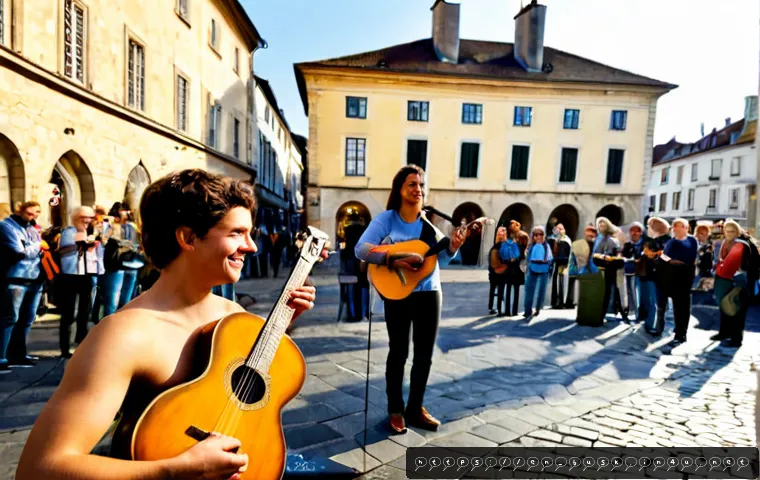
The best street-performance model depends on whether you need flexibility, structured exposure, or a contracted event result. Open busking can suit independent solo acts, while curated pitches, audition programs, and professional bookings give organizers more control over schedules, safety, and audience experience.
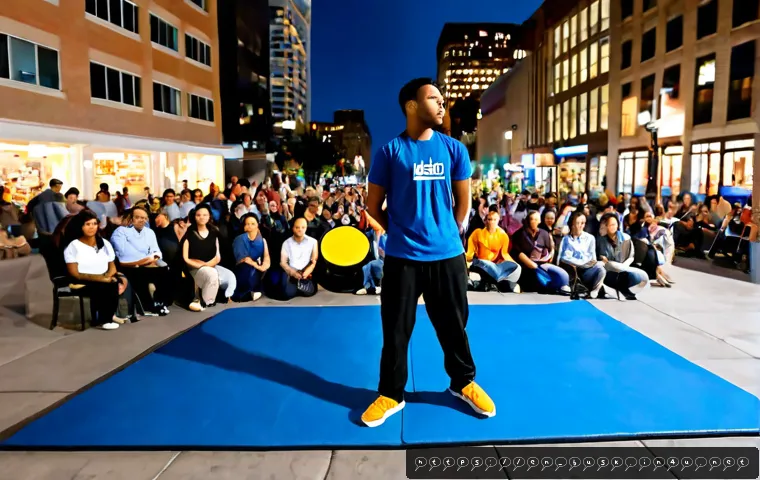
Edinburgh, Covent Garden in London, New York transit spaces, Melbourne, and Dublin each show a different way to balance public access with local rules.
For performers, the key question is not simply where crowds are largest, but who controls the exact space and what type of performance is allowed there.
For organizers, performer booking services, permit support, public-liability insurance, and portable sound equipment can all be relevant planning costs.
Check current requirements directly with the responsible city, venue, transit authority, festival, or landowner before committing to travel or production.
At a Glance
- Solo performers often benefit from flexible busking areas, but flexibility does not mean guaranteed income or unrestricted sound.
- Festival organizers can use curated or contracted programming to manage timing, audience flow, and production expectations.
- City programs work best when performer access, public safety, neighborhood impact, and venue-specific rules are balanced together.
| Access model | Likely approval route | Sound and crowd considerations | Planning workload | Best suited to |
|---|---|---|---|---|
| Open busking | Local permit or location rules may apply | Often sensitive to amplification, duration, and pedestrian flow | Lower structure, but requires local checks | Solo acoustic acts and flexible performers |
| Managed pitch | Organized access, selection, or pitch allocation | Clearer expectations for audience space and conduct | Moderate | Variety acts and polished public shows |
| Audition-based program | Application and selection process | Managed venue conditions and program standards | Higher before acceptance | Musicians seeking structured exposure |
| Festival or contracted event | Booking agreement plus event approvals | Production, safety, weather, and scheduling need coordination | Higher, but more defined | Cultural events, tourism programs, and brand activations |
What Global Street-Performance Models Have in Common
The quick answer: successful programs balance performer access, audience safety, and neighborhood impact
Street performance works best when the audience can enjoy it without blocking entrances, transit movement, businesses, or emergency access. A strong program does not rely on artistic quality alone. It also sets practical expectations around space, sound, timing, and crowd behavior. For an organizer, this can mean using a performer booking platform or event production service when the event needs a fixed schedule rather than informal public performance.
Four common models: open busking, managed pitches, audition programs, and festival-led stages
Open busking offers independence but may involve location-based rules. Managed pitches give performers a more structured setting. Audition programs select acts for a managed public network. Festival-led stages can turn high footfall into programmed entertainment, although competition and planning demands may increase during peak periods.
Why rules matter as much as artistic quality
A public-space approval is not automatically permission for every nearby area. Parks, transit systems, historic districts, privately managed public spaces, and festival zones can each have separate authority. Amplification, filming, fire performance, minors, accessibility, and crowd size may require additional confirmation.
Six International Examples and What Makes Each One Different
Edinburgh: festival energy and high seasonal competition
Edinburgh is internationally associated with festival-season street entertainment, especially around the Edinburgh Festival Fringe. Its main lesson is that major cultural seasons can create strong visibility while also increasing competition for audience attention, accommodation, travel planning, and suitable performance space. A festival atmosphere is valuable, but it is not a substitute for confirming the applicable performance rules.
London’s Covent Garden: curated pitches and structured performance expectations
Covent Garden is widely known for structured outdoor performance pitches and organized performer access. This model shows why a curated approach can help protect audience experience and establish clearer expectations for performers. It can be a better reference for interactive acts that need defined crowd space than a casual, move-and-play approach.
New York transit performance: audience reach within a managed public network
New York City’s MTA Music Under New York program features selected musicians in transit spaces. The model highlights the difference between performing near public transit and performing within a managed transit network. Transit authority permission, location conditions, and program selection can matter as much as the size of the passing audience.
Melbourne: permit-oriented busking in a strong live-culture environment
Melbourne is widely recognized for an active busking culture and local permit-based performance arrangements. The useful planning lesson is simple: an active performance culture still requires attention to the local approval process. A performer should match the act, equipment, and sound level to the specific area rather than assume one citywide rule applies everywhere.
Dublin: pedestrian-city atmosphere and location-sensitive rules
Dublin has a visible street-performance tradition in central pedestrian areas, with local rules that can vary by activity and location. This is particularly important for performers who use amplification, draw a circle crowd, or plan a longer set. A pedestrian-friendly setting can be attractive, but location-sensitive rules remain central to planning.
Additional lesson from tourism-focused city centers
Tourism-focused centers can bring a steady flow of passersby, but they also create pressure around congestion, business access, noise, and visitor safety. For destination marketers, contracted performers may be more practical than tip-based activity when programming must fit a campaign, timetable, or specific visitor route.
Compare Access, Costs, and Value Before Choosing a Model
Open access versus application or audition routes
Open access favors speed and flexibility, but it may leave more uncertainty around permitted locations and daily conditions. Application, audition, or curated routes require more preparation, yet they can offer a clearer framework. Neither model guarantees earnings. The better choice depends on whether the priority is independence, legitimacy, exposure, or a defined event role.
Budget categories: permits, insurance, travel, equipment, and accommodation
A realistic street-performance or event budget should separate permit administration, public-liability insurance, travel, portable sound equipment, accommodation, and booking fees. Current fees, application windows, insurance thresholds, and equipment restrictions must be checked with the relevant authority. Do not base a budget on old social posts, informal advice, or another performer’s past arrangement.
When a paid booking or event contract may be more predictable than tip-based performance
Tip-based performance can suit artists who value flexibility and direct public interaction. A paid booking may be more predictable when an event needs a fixed arrival time, a specific set length, technical coordination, or a defined audience experience. Event planners should clarify whether the performer supplies sound equipment, needs power, requires a covered backup location, or needs additional crowd support.
Comparison table: best fit for musicians, variety acts, cultural events, and brand activations
| Performance need | Often suitable model | Key planning question |
|---|---|---|
| Acoustic musician in a pedestrian area | Open busking or permit-based arrangement | Is the exact pitch approved, and are sound limits in place? |
| Comedy, circus, or circle show | Managed pitch or festival program | Is there enough safe room for a gathering audience? |
| Cultural festival programming | Contracted or curated lineup | Who manages schedules, weather backup, and production? |
| Brand or tourism activation | Professional performer booking | Does the venue authority permit the activity and audience interaction? |
Practical Planning Steps and Mistakes to Avoid
Confirm the authority responsible for the exact performance space
Start with the precise location, not the city name. The responsible party may be a city department, park manager, transit authority, festival operator, venue owner, or private manager of a public-facing space. Permission for one space does not automatically cover another.
Check amplification, duration, queueing, and crowd-management limits
Ask how amplification is treated, whether performance duration is limited, and how queues or gathering audiences should be handled. Interactive acts need special care because a successful crowd can also become a safety or access issue.
Build a weather and equipment backup plan
Outdoor work needs a practical fallback for rain, wind, equipment protection, and sound failure. Organizers should decide in advance whether the performance moves, pauses, changes format, or is replaced. Portable sound equipment should be selected for the approved setting, not simply for maximum volume.
Avoid relying on outdated social posts or general city guidance
Rules can change for festivals, parks, transit locations, historic areas, and privately managed sites. Confirm current details before purchasing travel, insurance, equipment, or accommodation.
Match the Performance Format to the Place and Audience
Solo acoustic acts in pedestrian zones
Solo acoustic performers usually need a compact setup, a clear pedestrian route, and awareness of local sound expectations. The audience may stop briefly, so short, accessible sets can fit the setting better than a format that depends on long attention spans.
Circle shows, comedy, and interactive acts requiring crowd space
These formats need more than visibility. They need room for a safe audience edge, clear access routes, and a plan for crowd growth. Managed pitches or event-managed zones may be more appropriate than narrow pedestrian corridors.
Festival programming for high footfall and short attention spans
Festival programming benefits from acts that communicate quickly and can work within a defined slot. Organizers should match each act to the expected audience turnover, weather exposure, sound conditions, and available production support.
Corporate, tourism, and municipal events needing contracted performers
When timing, brand suitability, accessibility, and production standards matter, a professional booking route can reduce uncertainty. The contract should make responsibilities clear, including performance format, technical needs, venue approval, and contingency planning.
Selection Criteria and Comparison Summary
Choose open busking when flexibility matters more than predictable income. Choose curated pitches or audition-based programs when structured exposure and venue expectations are important. Choose professional booking when the event requires a defined budget, schedule, insurance review, or production plan. Before spending on travel, permits, liability coverage, or sound equipment, confirm the exact authority, location rules, act format, audience space, and weather backup. For booking services, permit consultants, insurance options, or portable sound setups, review the official terms and detailed conditions on the relevant provider or authority page.
Final Thoughts
There is no single global rulebook for street performance. Edinburgh, London, New York, Melbourne, and Dublin demonstrate different ways public entertainment can be supported and managed. The most reliable approach is to choose the format first, then verify the exact site, authority, and operating conditions. Good planning protects both the performer’s opportunity and the public space that makes the performance possible.
Useful Information
1. Identify the exact pitch before researching rules.
2. Treat amplification and crowd size as separate planning issues.
3. Include insurance, travel, accommodation, and equipment in the same budget conversation.
4. Use contracted performers when an event needs fixed delivery rather than informal participation.
Important Notes
Permit fees, application timelines, audition dates, insurance requirements, and allowed equipment can change. This overview does not confirm whether a specific act, instrument, amplified setup, filming plan, fire performance, or crowd size is allowed in any particular location. Always verify current conditions with the responsible city, venue, transit authority, festival organizer, landowner, or space manager.
Frequently Asked Questions
Q1. Which cities are best known for street performance opportunities?
A1. Edinburgh is strongly associated with festival-season street entertainment, Covent Garden in London is known for structured outdoor performance access, New York has the MTA Music Under New York program, Melbourne is recognized for active busking culture, and Dublin has a visible tradition in central pedestrian areas. Suitability depends on the exact location, activity, and current rules.
Q2. Do street performers usually need permits or public-liability insurance?
A2. Requirements differ by city, venue authority, and performance type. Permits, amplification restrictions, crowd-control rules, and insurance expectations may apply, especially in transit spaces, festivals, parks, historic areas, or managed public spaces. Confirm the current requirement for the exact pitch.
Q3. Is booking a performer for a festival or business event more predictable than relying on busking tips?
A3. It can be more predictable when the booking defines the schedule, performance format, production needs, and payment arrangement. Tip-based performance offers flexibility, but revenue potential is not guaranteed and can vary by location, audience conditions, and local operating rules.