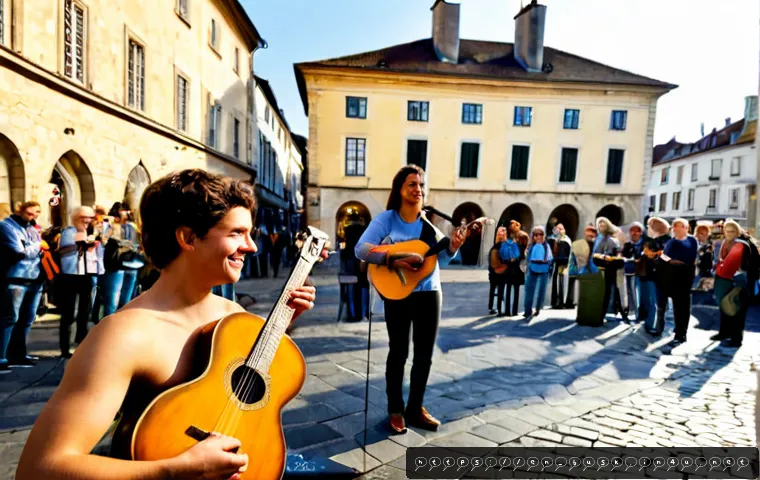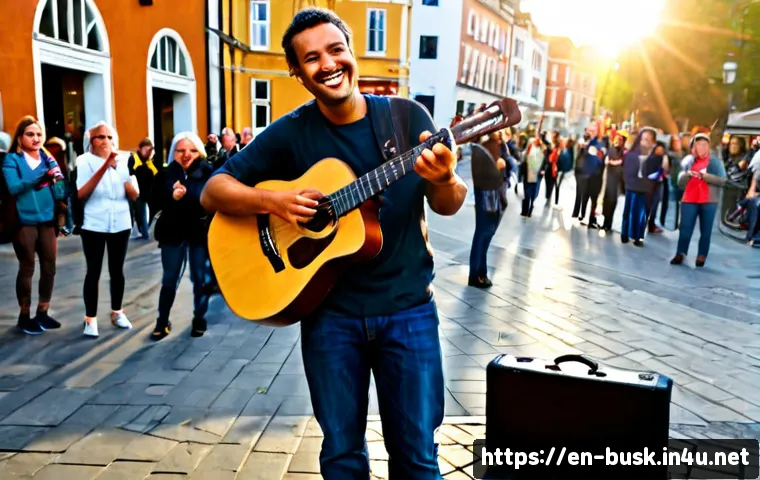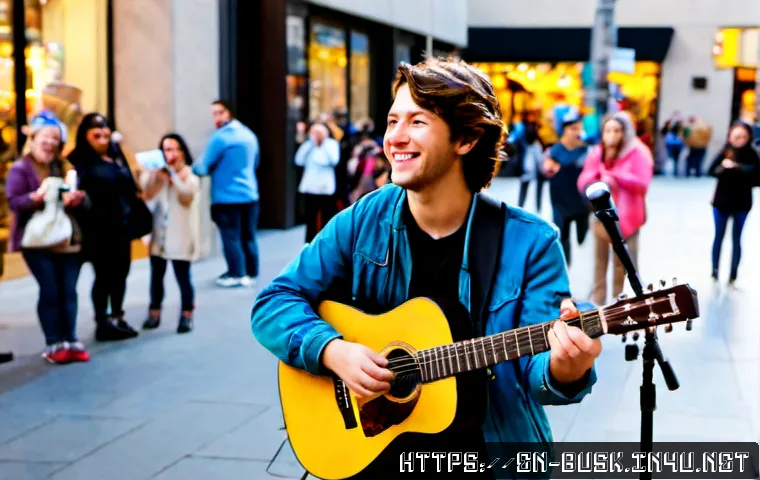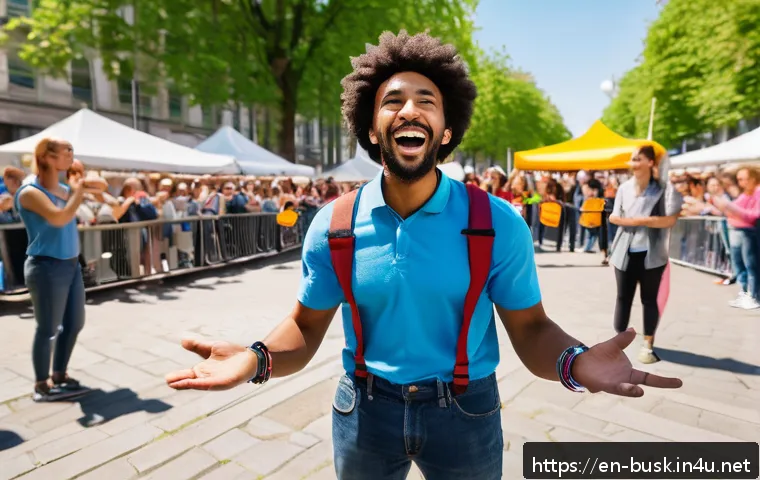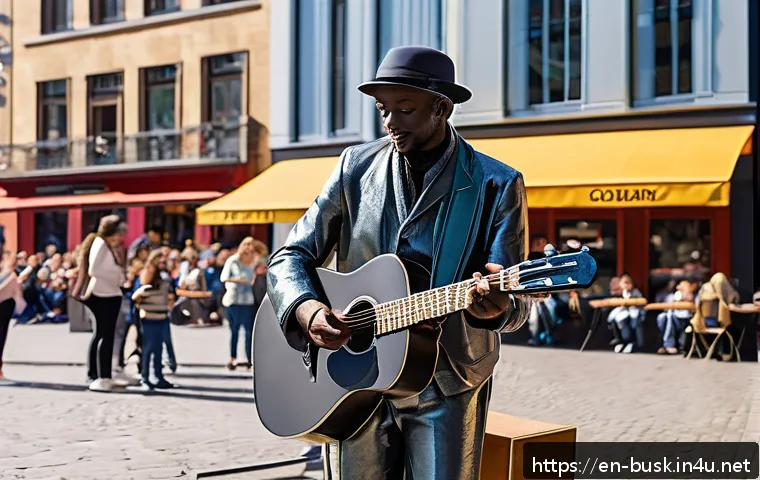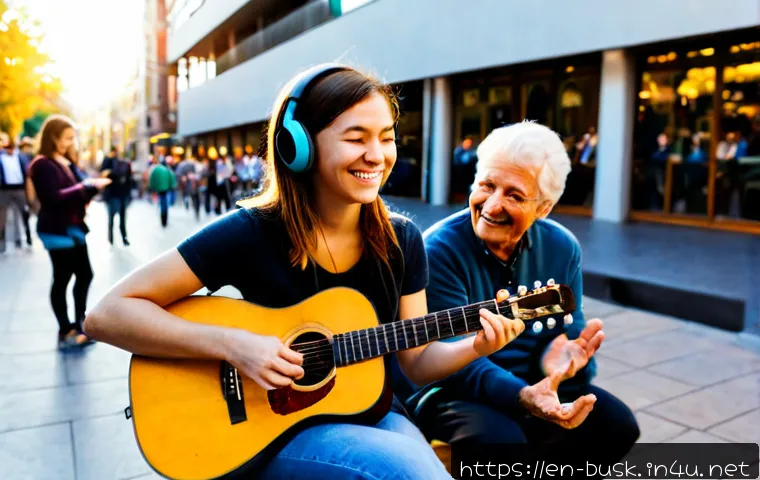
A personal street performance works best when the level of interaction matches the location, audience, and event goal. Simple participation can suit casual busking, while customized routines and branded moments usually need clearer booking terms and more coordination.
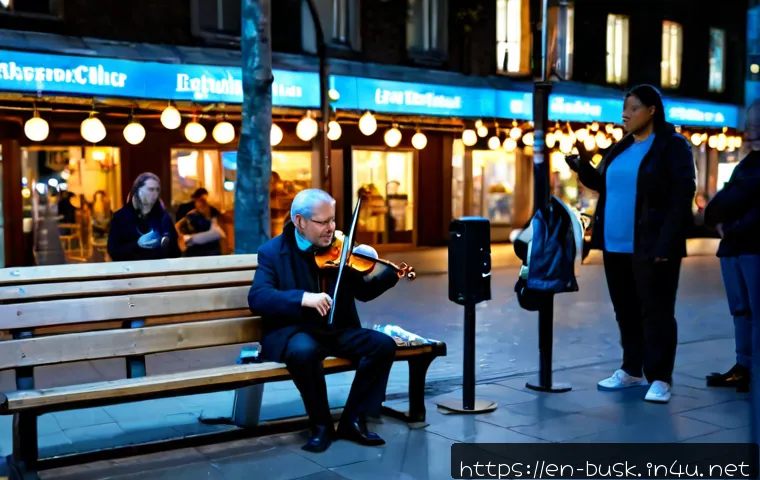
For a community gathering, flexibility may matter more than a tightly scripted outcome. For a private event, retail promotion, or destination experience, a performer who can adapt material to the occasion may offer stronger event value.
The practical choice is not always the most elaborate option; it is the option that fits pedestrian flow, sound rules, consent expectations, and the available planning time.
Compare the scope of customization and the total quote before committing.
At a Glance
- Casual busking: light, voluntary audience interaction is usually the most flexible approach.
- Private events: customized routines can make the entertainment feel more relevant, but may require rehearsal and a clearer performer brief.
- Brand activations: branded moments often need the most coordination, including permissions, crowd flow, technical planning, and consent boundaries.
| Personalization Format | Best Fit | Planning Level | What May Affect the Quote | Main Watch-Out |
|---|---|---|---|---|
| DIY audience interaction | Casual street settings, small community moments | Low | Basic performance duration, simple equipment, travel | Keep participation optional and maintain pedestrian access |
| Independent performer booking | Markets, hospitality venues, festivals, private gatherings | Medium | Duration, travel, technical needs, rehearsal, customization, event timing | Confirm what “custom” actually includes before booking |
| Agency-managed or producer-led entertainment | Brand activations, multi-act programs, complex public events | High | Coordination, production needs, multiple performers, custom elements | Check responsibilities for permits, sound, weather, and crowd management |
What Makes a Street Performance Feel Personal?
A street performance feels personal when people can connect with it without feeling singled out, blocked in, or pressured. That connection may come from a performer responding to the mood of the crowd, inviting a volunteer, adapting a song choice, or using event-specific language. The most useful approach is usually relevance with clear boundaries, not maximum audience involvement.
The Difference Between Audience Interaction and True Customization
Audience interaction happens in the moment. A magician might ask for a volunteer, a musician may take a suitable request, or a performer may acknowledge a child’s excited reaction. It can be spontaneous, low-planning, and well suited to a changing public audience.
Customization is planned in advance. It can include an event-specific introduction, a routine shaped around a celebration, a tailored music selection, or a branded moment for a business promotion. Because it may require preparation, rehearsal time, or revised material, customization can affect performer fees and booking availability.
Ask a direct question when comparing entertainment options: “Is this interactive in the moment, customized before the event, or both?” That distinction helps avoid a mismatch between an organizer’s expectations and the performer’s actual service scope.
Quick Answer: Match Participation to the Setting, Crowd Size, and Event Goal
For a loose public setting, choose interaction that can begin and end quickly. A passerby should be able to watch briefly, keep walking, or stay longer without disrupting the experience. For a planned event, a more defined format can work because guests have chosen to attend and the organizer can set expectations.
A small retail opening may benefit from short, repeatable entertainment that draws attention without creating a bottleneck. A destination event may benefit from a performer who can connect the act to a local atmosphere or guest journey. A private celebration at a public-facing venue may need a clear boundary between invited guests and the general public.
The more fixed the desired outcome, the more detailed the booking brief should be. Explain the event purpose, preferred tone, performance window, audience type, available space, and whether any event-specific material is requested.
Personalization That Respects Public Space and Audience Boundaries
Personalization should never depend on making strangers uncomfortable. Invite rather than demand. Give people a simple way to decline, especially when a performer asks for volunteers, photographs, recordings, or personal details. A warm invitation such as “Would anyone like to join in?” leaves room for a comfortable no.
Public-space etiquette matters just as much as entertainment value. Avoid shaping the act around private information, assumptions about identity, or jokes that could exclude members of a mixed crowd. If the event includes filming, make the recording plan visible and confirm the relevant permissions before promotion.
For organizers, a useful rule is to protect choice, access, and comfort. People should be able to participate voluntarily, move through the area safely, and understand when a performance or recording is taking place.
Compare Personalization Formats, Value, and Booking Costs
There is no universal performer fee for personalized street entertainment. A quote can vary according to performance duration, travel, technical needs, rehearsal time, customization, and event timing. Instead of asking only for a price, compare the full scope of the service and the planning work behind it.
Spontaneous Interaction: Low Planning, Flexible Experience
Spontaneous interaction is the simplest format. The performer relies on established material and adjusts naturally to the crowd. This can be a good choice when the audience arrives in waves, the schedule is flexible, or the organizer wants a lively atmosphere rather than a fixed show outcome.
This approach often has clear value for casual busking-style entertainment, local markets, or public community activity. It typically requires less advance creative work than an event-specific routine. However, “low planning” does not mean “no planning.” The organizer should still confirm the location, suitable performance area, expected duration, sound approach, weather plan, and local requirements.
Use this format when you value adaptability over precision. It is less suitable if the event depends on a particular message, a timed product reveal, or a scripted branded interaction.
Customized Routines: Stronger Event Fit, More Preparation
A customized routine can make an event feel intentionally designed rather than simply entertained. Examples may include a welcome tailored to the occasion, material selected for a particular audience, or a short segment that reflects the event theme. The performer may need extra information, planning time, and rehearsal time to deliver this well.
Before requesting custom entertainment, decide which element truly needs to be personal. A short event-specific introduction may be enough. A fully revised performance may not be necessary if the audience mainly needs energy, warmth, and a memorable shared moment. This is a practical way to control the entertainment budget without losing relevance.
When reviewing a performer quote, ask whether custom work includes a planning call, a written brief, rehearsal time, technical coordination, or revisions. Also ask what happens if the event schedule changes. A clear scope makes vendor comparison easier and reduces last-minute confusion.
Private or Branded Performances: Higher Coordination Needs and Clearer Commercial Value
Private performances and brand activations can justify deeper customization when entertainment supports a specific event objective. A retail launch may need short, repeatable moments that welcome visitors. A hospitality venue may want a polished arrival experience. A brand activation may need a clear connection between the performance style and the campaign environment.
These formats require more than an entertaining act. Consider crowd movement, the visibility of event signage, the placement of sound equipment, recording consent, and the line between audience engagement and unwanted sales pressure. A branded moment should feel natural to the setting rather than interrupting it.
Professional event entertainment booking support can be useful when several details must work together. An agency or event producer may help coordinate performers, technical requirements, schedules, and communication. That does not automatically make it the right choice for every event, but it can be worth considering when the production has multiple moving parts.
What to Ask for in a Performer Quote
A useful quote should help you understand the whole performance arrangement, not only the headline fee. Give each performer or entertainment provider the same core brief so comparisons are fair.
- Performance format: roaming, fixed-location, short sets, continuous presence, or a scheduled show.
- Duration and timing: include arrival, setup, breaks, and the event window.
- Customization scope: clarify whether the request is simple audience interaction, event-specific material, branded content, or something else.
- Technical requirements: ask about sound equipment, power, lighting, setup space, and any amplified-sound needs.
- Travel and rehearsal: confirm whether either affects the total quote.
- Weather and cancellation plan: establish the backup approach before approval.
Do not assume that a performer, venue, agency, or organizer is handling every requirement. Confirm responsibilities in writing, especially when the performance takes place in a public or shared space.
Plan the Experience Without Disrupting the Street Environment
The best personalized performance is easy to enjoy and easy to move around. A strong event idea can fail if it blocks a walkway, exceeds sound limits, creates unclear queues, or leaves guests uncertain about where to stand. Plan the experience around the environment, not just the act.
Choose a Location With Safe Pedestrian Flow and Appropriate Visibility
Look for a space where people can pause without preventing others from passing. The performance area should have enough visibility to attract interest, but it should not force a crowd into entrances, exits, crossings, service areas, or narrow pedestrian routes.
Consider where the performer will stand, where spectators may gather, and how someone can leave the viewing area. If the act uses props, instruments, or equipment, allow enough space for safe setup and pack-down. A visually appealing corner is not automatically a practical performance site.
Good visibility should not come at the cost of access. If the event is near a business, venue entrance, market stall, or transport route, discuss the plan with the relevant operator before publicizing the entertainment.
Set Expectations for Sound, Duration, Weather, and Audience Capacity
Sound can improve atmosphere, but it can also create problems if it is louder than the setting allows. Confirm whether amplified sound is permitted and whether the performer can work without it if needed. A performer’s technical requirements should be part of the early booking conversation, not a final-day surprise.
Set a realistic duration for the audience. Street audiences may watch for a few minutes, while invited guests may stay longer for a scheduled feature. A flexible set structure can help the performer respond to changing crowd size without overextending the program.
Weather planning deserves the same attention as the creative idea. Confirm whether there is shelter, a suitable indoor alternative, a rescheduling approach, or a cancellation process. Do not assume that every act, instrument, costume, or piece of equipment can be used safely in every weather condition.
Check Permits, Venue Rules, and Recording Permissions Before Promotion
Public performances may be affected by location rules, permits, amplified-sound limits, and pedestrian access requirements. These details vary by city, property owner, and venue, so treat them as an early planning task. Confirm the applicable requirements with the local authority, venue, or property manager before announcing the performance.

If photos or video are planned, establish clear consent boundaries. This matters especially when children, private guests, or identifiable audience participants may be recorded. The event team and performer should agree on who is filming, what will be captured, and how participants will be informed.
Also confirm whether the location has rules on signage, commercial promotion, equipment placement, or crowd control. A creative street experience works better when its operational basics are settled before the audience arrives.
Personalization Ideas for Different Event Goals
Personalization does not have to mean a complicated script. The right idea depends on why the event exists and how long people are likely to stay. Keep the personal element useful to the audience rather than adding it merely because it sounds impressive.
Community Events and Local Festivals
Community events often benefit from broad, inclusive interaction. Consider short moments that invite participation without requiring prior knowledge or individual attention. A performer can acknowledge the shared occasion, encourage a simple call-and-response, or create a welcoming pause between other activities.
Keep the format suitable for mixed ages and changing crowd sizes. If families are expected, confirm that the performance style aligns with family-friendly expectations. If multiple languages may be present, avoid making the experience depend entirely on complex verbal instructions.
Tourism, Hospitality, and Destination Experiences
For tourism and hospitality settings, a street performer can help create a sense of arrival or place. The entertainment should support the guest experience without making unrealistic cultural claims or interrupting normal operations. A concise welcome, an adaptable roaming act, or a short scheduled performance may work well depending on the venue flow.
Ask how the act handles international visitors, accessibility needs, and varied comfort levels. Visual performance, music, movement, and simple participation cues can often be easier to follow than a format built around fast local references. Confirm suitability rather than assuming that one act works for every visitor group.
Retail Openings, Markets, and Small Business Promotions
Retail and market environments need entertainment that adds energy without preventing shopping, browsing, or staff access. Short sets and flexible roaming formats may help create interest across a wider area. A customized greeting or light reference to the opening can provide relevance without turning every interaction into a sales message.
Discuss the practical goal before booking. Is the aim to create atmosphere, encourage people to pause nearby, welcome guests, or support a scheduled launch moment? The answer affects the performer format, location, timing, and customization level. It also helps you compare event entertainment providers on more than price alone.
Private Celebrations in Public-Facing Venues
A birthday, anniversary, or other private celebration held at a public-facing venue needs a careful boundary. The performance can recognize the host or guest of honor, but it should not make nearby visitors feel trapped in a private event. A short, clearly timed feature can be more comfortable than an extended performance that takes over the shared area.
Confirm whether the venue permits entertainment, recording, decorations, amplified sound, or reserved space. If participation is planned, tell invited guests what to expect and make it easy for non-participants to simply enjoy the atmosphere from a distance.
Common Mistakes That Make Interactive Performances Uncomfortable
Interactive entertainment can create a memorable event, but the same features can feel awkward when planning is weak. Most problems are preventable when organizers identify boundaries before the performance begins.
Pressuring Spectators to Participate
Volunteers should always have a genuine choice. Avoid planning a format that depends on pulling unwilling people from the crowd, repeatedly targeting the same person, or treating refusal as part of the joke. A performer can still create energy by offering group participation, visual moments, and optional invitations.
For event planners, this should be part of the entertainment brief: participation must be voluntary. It protects audience comfort and helps the performer understand the event’s tone.
Overusing Personal Details or Filming Without Clear Consent
Personal details can make a moment feel special, but they can also feel intrusive. Share only information that a participant has chosen to provide for that purpose. Do not assume that a guest wants their name, image, reaction, or social-media content used in a public performance.
When recording is part of the event plan, make the process clear. Confirm the relevant local and venue rules, inform participants appropriately, and give special care to situations involving children or private functions.
Ignoring Accessibility, Language Needs, and Family-Friendly Expectations
Not every interactive format works for every audience. Loud sound, tightly packed viewing areas, fast verbal instructions, or physical participation may exclude some guests. Think about accessible routes, clear sightlines, seating or resting options where appropriate, and simple ways to enjoy the act without joining it.
Ask the performer about the style and audience suitability rather than relying only on promotional clips or a short description. An act may be excellent in one context and unsuitable in another.
Booking Without a Weather, Cancellation, or Technical Backup Plan
An outdoor event can change quickly. If the performance depends on power, sound, props, or a fixed performance spot, discuss alternatives before the event date. Confirm who communicates changes, what happens if conditions affect the program, and whether a different format is possible.
A backup plan does not need to be elaborate. It simply needs to be understood by the organizer, venue, and performer. Clear planning protects both the audience experience and the value of the entertainment booking.
Selection Criteria and Comparison Summary
Choose the format by comparing event goal, audience comfort, location rules, customization scope, technical needs, and total quote. DIY interaction is often suitable when flexibility matters more than a fixed outcome. An independent performer can be a practical choice when you need a defined style, direct communication, and budget control. An entertainment agency or event producer may be worth considering when coordination, multiple acts, insurance questions, or custom production needs add complexity.
Before booking, compare availability, customization scope, technical requirements, travel, rehearsal needs, weather terms, and the total quote. Official guidance and detailed conditions should be checked on the relevant venue, local authority, performer, or entertainment provider page.
Final Thoughts
A personalized street performance does not need to be large or heavily scripted to feel meaningful. The strongest experiences usually combine a suitable performer with voluntary interaction, a realistic event brief, and respect for the shared environment. Start with the audience’s comfort and the location’s limits, then add customization only where it supports the event goal. Clear booking questions help turn a creative idea into an experience that is easier to manage and more enjoyable to attend.
Useful Information to Keep in Mind
1. Define whether you want spontaneous interaction, planned customization, or a branded performance moment.
2. Use the same brief when requesting performer quotes so the comparison is meaningful.
3. Check pedestrian access, sound expectations, and weather options before promoting the act.
4. Keep audience participation optional and recording boundaries clear.
5. Confirm local permit, venue, and public-space requirements directly with the relevant authority or operator.
Important Considerations
Permit requirements, insurance expectations, noise restrictions, and recording rules can vary by city, venue, and property owner. Current performer fees and the level of customization available also vary by individual act and booking provider. Confirm whether the proposed entertainment is appropriate for the expected age range, accessibility needs, cultural context, and specific public location before approving a booking.
Frequently Asked Questions
Q1. How much does a personalized street performance cost?
A1. There is no single standard cost. Performer fees may vary based on performance duration, travel, technical needs, rehearsal time, customization, and event timing. Ask for a detailed quote that explains what is included, especially if you want event-specific material or technical support.
Q2. Is it worth hiring a performer who offers custom audience interaction?
A2. It can be worthwhile when the event needs a more relevant or memorable experience and the customization supports a clear goal. For a casual public setting, simple voluntary interaction may be enough. For a private event, hospitality experience, or brand activation, planned customization may offer better value if the scope is clear.
Q3. What should an event organizer check before booking street entertainment?
A3. Check the performance format, audience suitability, location layout, pedestrian access, sound needs, weather backup, recording consent, and the local permit or venue requirements. Also confirm the performer’s customization scope, technical requirements, timing, and total quote before final approval.